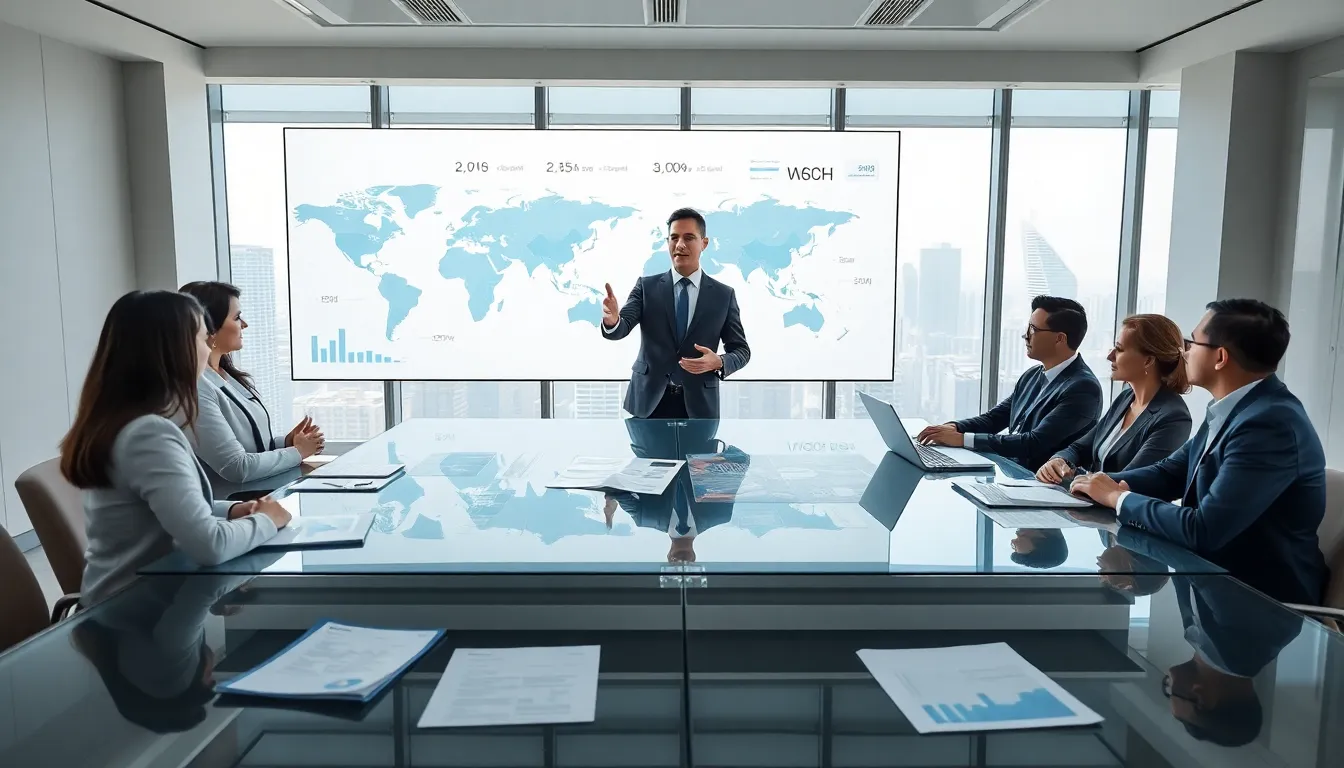
A world report serves as a critical tool for understanding major events, shifts, and patterns across countries and regions. These reports compile data, analysis, and expert insights to give readers a clear picture of what’s happening globally. Whether tracking economic growth, political changes, or environmental concerns, a well-crafted world report helps people make sense of an interconnected planet.
In 2025, staying informed matters more than ever. Geopolitical tensions, climate shifts, and technological advances affect daily life in ways that weren’t possible a decade ago. This article breaks down the key elements of a world report, explores current global developments, and offers practical advice for finding trustworthy sources.
Table of Contents
ToggleKey Takeaways
- A world report synthesizes global data and expert analysis, helping readers understand connections between major events across countries and regions.
- Key global developments in 2025 include AI acceleration, shifting power dynamics, migration patterns, and ongoing pandemic preparedness efforts.
- Economic trends to watch include inflation stabilization, trade realignments, sovereign debt concerns, and the policy impacts of 2024’s historic election cycle.
- Climate action, extreme weather events, food security, and social inequality are critical environmental and social challenges highlighted in current world reports.
- To stay informed, prioritize primary sources like UN, IMF, and WHO reports, check methodology, and compare findings across multiple world report publications.
- Setting up regular updates from trusted organizations ensures you never miss important global developments documented in annual or quarterly world reports.
Understanding the Purpose of a World Report
A world report gathers information about significant events, trends, and issues from multiple countries. Governments, research institutions, news organizations, and international bodies like the United Nations produce these reports regularly. Each world report aims to inform decision-makers, researchers, journalists, and everyday citizens about what’s shaping the global landscape.
The primary function of a world report is synthesis. Instead of piecing together fragments from dozens of sources, readers get a consolidated view. A single world report might cover everything from GDP growth in Asia to humanitarian crises in Africa. This breadth helps people see connections between seemingly unrelated events.
World reports also serve as historical records. They document conditions at specific moments in time. Researchers can compare a world report from 2020 to one from 2025 and track how situations evolved. This comparative value makes world reports essential for academic study, policy development, and business strategy.
For the average reader, a world report offers context. Headlines can feel overwhelming without background information. A good world report explains why something matters, not just what happened.
Key Global Developments Shaping Our World Today
Several major developments dominate the global stage in late 2025. Understanding these trends helps readers interpret news coverage and anticipate future changes.
Technological Acceleration
Artificial intelligence continues to reshape industries worldwide. Countries are racing to develop AI regulations while companies integrate machine learning into products and services. A recent world report from the World Economic Forum noted that AI adoption has increased by 35% across manufacturing sectors since 2023.
Shifting Power Dynamics
The relationship between major powers remains tense. Trade policies, defense agreements, and diplomatic negotiations fill headlines. Many world report publications track these relationships closely because they affect everything from supply chains to travel.
Health and Pandemic Preparedness
After COVID-19, nations have invested heavily in public health infrastructure. World reports now routinely include sections on disease surveillance, vaccine distribution, and healthcare capacity. The World Health Organization’s annual world report highlights progress and gaps in pandemic readiness.
Migration Patterns
Climate change, conflict, and economic opportunity drive migration flows. According to UN data referenced in their latest world report, displaced populations reached record numbers in 2024. This trend affects labor markets, social services, and political debates in destination countries.
Economic and Political Trends to Watch
Economic indicators tell a story about global stability and opportunity. Political shifts often follow economic pressures, or create them.
Inflation and Interest Rates
Central banks around the world have adjusted interest rates throughout 2024 and 2025. A world report from the International Monetary Fund projected global inflation would stabilize near 4% by early 2026. But, regional variations persist. Some emerging markets still face double-digit inflation.
Trade Realignments
Countries are restructuring trade relationships. The push for supply chain resilience has led businesses to diversify manufacturing locations. A world report focused on trade might note how Southeast Asia has gained manufacturing share while other regions adapt.
Electoral Cycles
Over 50 countries held major elections in 2024, making it one of the most significant electoral years in history. The outcomes continue to influence policy directions. Any world report covering politics must address how new leaders approach international cooperation, defense spending, and domestic priorities.
Debt Concerns
Sovereign debt levels worry economists. Several nations face difficult choices between spending on public needs and managing debt obligations. World reports from financial institutions track these pressures and their potential ripple effects.
Environmental and Social Challenges on the Global Stage
Climate change sits at the center of global discussions. But it connects to social issues in ways that any comprehensive world report must address.
Climate Action Progress
Nations have made commitments under the Paris Agreement, yet progress varies widely. A world report from the Intergovernmental Panel on Climate Change shows that current pledges fall short of limiting warming to 1.5 degrees Celsius. Renewable energy adoption is accelerating, but fossil fuel use remains high.
Extreme Weather Events
Floods, droughts, hurricanes, and wildfires have increased in frequency and intensity. These events displace communities, damage infrastructure, and strain economies. World reports now dedicate significant sections to documenting weather-related disasters and their costs.
Food Security
Climate shifts affect agricultural output. Combined with conflict and supply chain disruptions, food insecurity has worsened in several regions. The FAO’s world report on food and agriculture tracks these trends and proposes solutions.
Social Inequality
The gap between wealthy and poor populations continues to grow in many countries. Access to education, healthcare, and economic opportunity varies dramatically based on geography and circumstance. World reports increasingly highlight inequality as both a humanitarian concern and a source of political instability.
Human Rights
Organizations like Human Rights Watch publish annual world reports documenting conditions in countries worldwide. These reports cover freedom of expression, treatment of minorities, labor rights, and government accountability.
How to Stay Informed With Reliable World Reports
Not all world reports carry equal weight. Knowing where to find trustworthy information saves time and prevents misinformation.
Look for Primary Sources
Start with organizations that conduct original research. The United Nations, World Bank, IMF, and WHO produce detailed world reports based on their own data collection. These primary sources offer higher reliability than secondary summaries.
Check Methodology
A credible world report explains how data was gathered. Look for sample sizes, time frames, and definitions. Reports that lack transparency about methods deserve skepticism.
Compare Multiple Reports
No single world report covers everything perfectly. Cross-reference findings from different organizations. If multiple sources reach similar conclusions, confidence increases.
Consider the Publisher’s Perspective
Every organization has priorities and potential biases. A world report from a business group might emphasize economic growth, while one from an environmental NGO might focus on sustainability. Neither is wrong, but understanding perspective helps readers interpret findings.
Use News Aggregators Carefully
News platforms that compile world report summaries can be useful starting points. But, always trace claims back to original sources when possible. Headlines sometimes oversimplify nuanced findings.
Set Up Regular Updates
Many organizations release world reports annually or quarterly. Subscribing to newsletters or setting calendar reminders ensures readers don’t miss important publications.