Good gear recommendations can make or break an adventure. Whether someone plans to hike remote trails, hit the gym, or explore a new city, the right equipment improves safety, comfort, and performance. But with thousands of products on the market, choosing wisely takes more than guesswork.
This guide breaks down practical gear recommendations across popular categories. Readers will learn how to match equipment to their specific needs, discover must-have items for outdoor and fitness pursuits, and find smart strategies for stretching their budget. No fluff, just actionable advice to help anyone gear up with confidence.
Table of Contents
ToggleKey Takeaways
- Match gear recommendations to your specific activity, frequency of use, and environment to avoid wasting money on items that won’t serve you well.
- Footwear is the most critical gear investment for hikers—quality boots prevent injuries and last multiple seasons when you spend $100–$200.
- Use the three-layer system (base, mid, outer) for outdoor adventures to stay comfortable across changing weather conditions.
- Resistance bands, adjustable dumbbells, and yoga mats form a cost-effective foundation for home fitness training.
- Shop off-season sales and consider quality used gear to save 30–50% without sacrificing performance.
- Invest in high-quality core items you’ll use frequently while buying budget-friendly accessories to stretch your gear budget.
How to Choose the Right Gear for Your Needs
Selecting the right gear starts with one question: what will it actually be used for? A weekend camper has different needs than a thru-hiker. Someone training for a marathon requires different equipment than a casual jogger. Clear goals lead to better gear recommendations.
Assess Activity Type and Frequency
First, define the activity. Hiking, climbing, cycling, swimming, and weightlifting each demand specific tools. A rock climber needs harnesses, carabiners, and proper footwear. A cyclist prioritizes helmets, lights, and repair kits. Matching gear recommendations to the activity prevents wasted money on items that sit unused.
Frequency matters too. Occasional users can often get by with mid-range products. Regular enthusiasts benefit from investing in higher-quality gear that withstands repeated use. Someone hiking once a month doesn’t need ultralight carbon trekking poles. Someone hiking every weekend probably does.
Consider Environment and Conditions
Where will the gear be used? Climate, terrain, and season all affect what works best. Wet environments call for waterproof layers and moisture-wicking fabrics. Cold climates demand insulated jackets and thermal base layers. Hot, dry conditions require breathable materials and sun protection.
Terrain shapes footwear choices dramatically. Rocky trails need sturdy boots with ankle support. Flat paths work fine with trail runners. Urban environments favor lightweight, versatile options. Smart gear recommendations account for these variables.
Prioritize Fit and Comfort
Even the best-rated equipment fails if it doesn’t fit properly. Backpacks should distribute weight across the hips, not strain the shoulders. Shoes must match foot shape, wide, narrow, high arch, or flat. Clothing shouldn’t restrict movement or cause chafing.
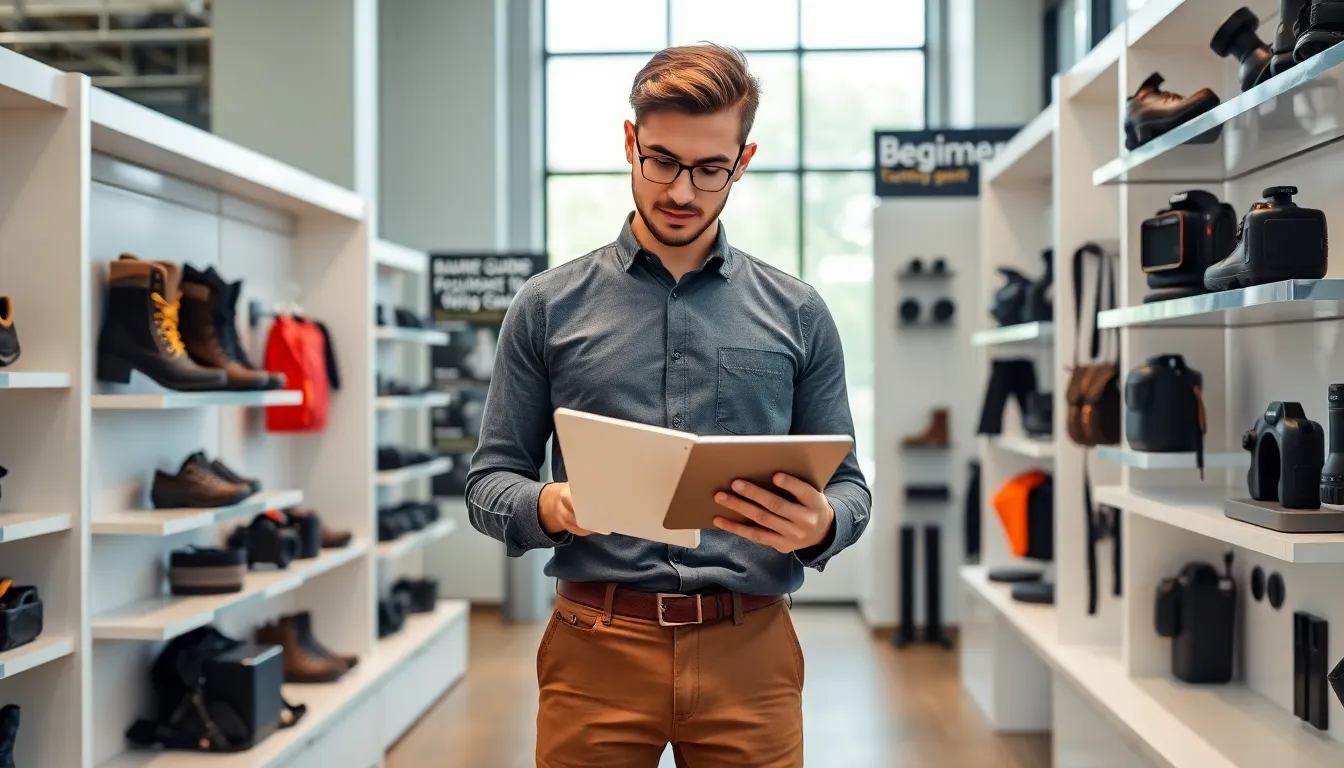
Trying gear before buying remains the gold standard. Many outdoor retailers allow customers to test equipment in-store. Online shoppers should check return policies carefully. Comfort determines whether gear gets used regularly or collects dust in a closet.
Top Gear Categories to Consider
Gear recommendations vary widely depending on the pursuit. Two categories stand out for their popularity and broad appeal: outdoor adventures and fitness training. Each has essential items that deliver real value.
Outdoor and Hiking Essentials
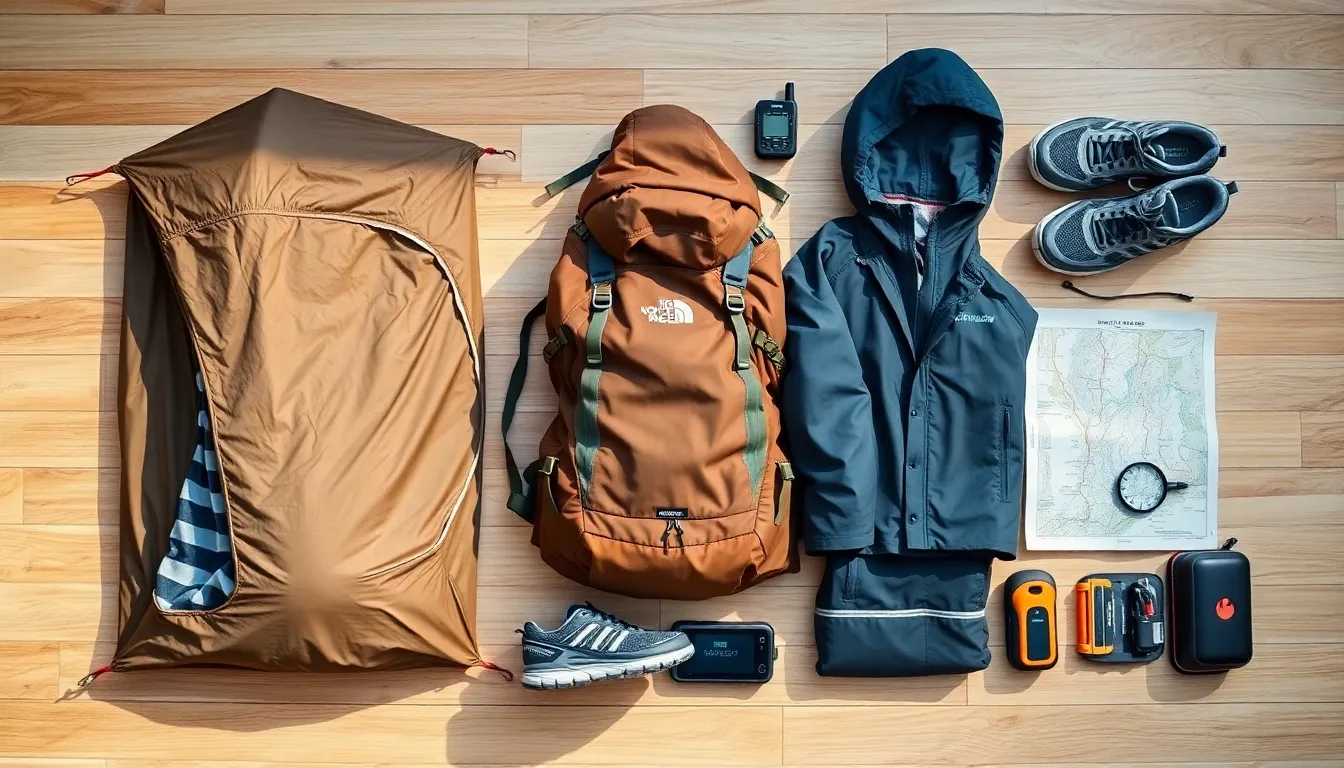
Hiking and outdoor exploration require reliable equipment. Here are the core items every adventurer should consider:
Footwear ranks as the single most important gear recommendation for hikers. Quality hiking boots or trail shoes prevent blisters, protect against rocks, and provide traction on slippery surfaces. Brands like Salomon, Merrell, and La Sportiva consistently earn high marks. Expect to spend $100–$200 for boots that last several seasons.
Backpacks carry everything else, so they deserve careful selection. Day hikers need 20–30 liter capacity. Multi-day trekkers require 50–70 liters. Look for padded hip belts, multiple compartments, and hydration compatibility. Osprey and Gregory produce popular options across price points.
Layering systems keep hikers comfortable in changing conditions. A base layer wicks moisture. A mid-layer provides insulation. An outer shell blocks wind and rain. This three-layer approach adapts to most weather scenarios better than single heavy jackets.
Navigation tools remain critical even though smartphone apps. A physical map and compass don’t run out of battery. GPS devices like those from Garmin add precision for backcountry travel. Experienced hikers carry both analog and digital options.
Fitness and Training Equipment
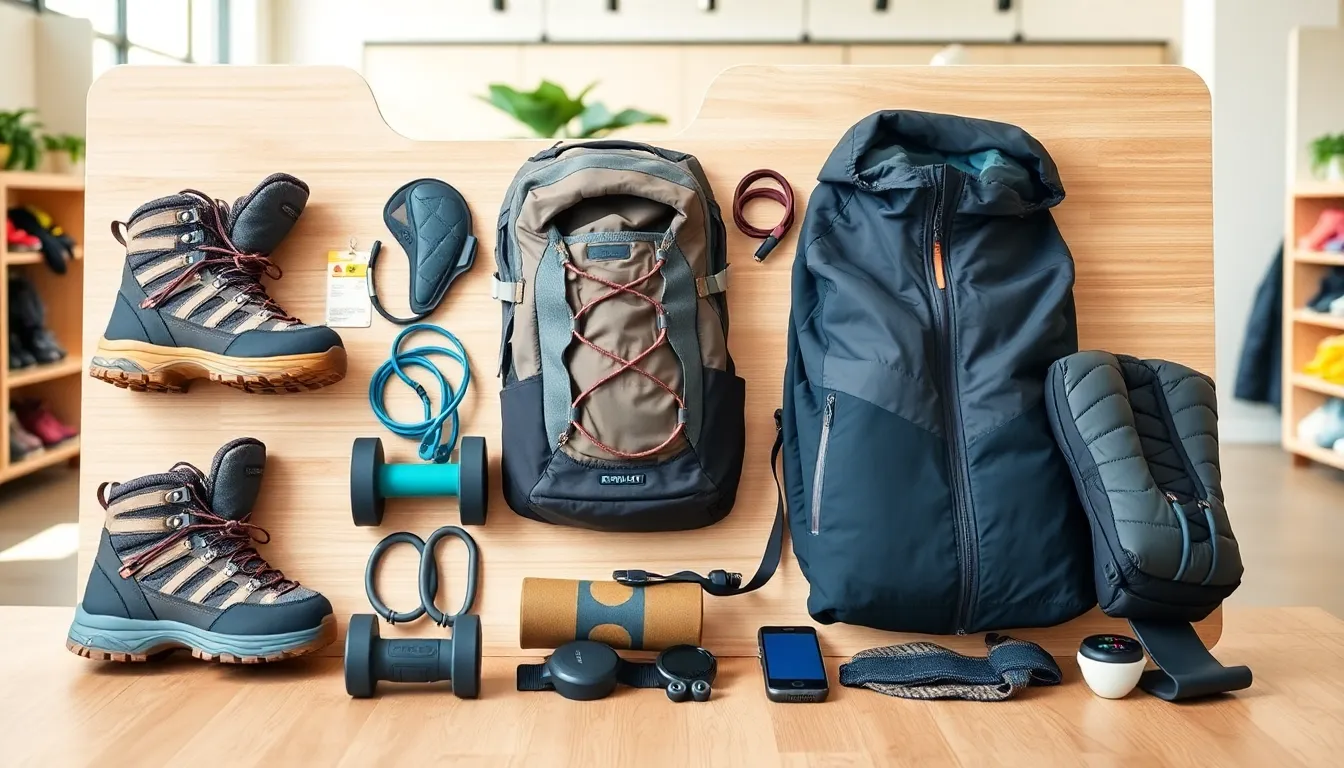
Home gyms and personal training setups have surged in popularity. These gear recommendations help build effective workout spaces:
Resistance bands offer incredible versatility at low cost. They support strength training, mobility work, and rehabilitation exercises. A set of bands with varying resistance levels costs under $30 and packs easily for travel.
Dumbbells or kettlebells form the backbone of home strength training. Adjustable dumbbells save space and money compared to full rack sets. Kettlebells excel for dynamic movements like swings and Turkish get-ups. Starting with 15–35 pound options covers most beginners.
Yoga mats provide cushioning for floor exercises, stretching, and bodyweight movements. Thickness matters, 6mm works for most users, while those with sensitive joints may prefer 8mm or thicker. Non-slip surfaces prevent dangerous sliding during planks or downward dogs.
Heart rate monitors and fitness trackers help athletes measure progress. Devices from Garmin, Polar, and Whoop track workout intensity, recovery status, and sleep quality. Data-driven training produces faster improvements than guesswork alone.
Tips for Getting the Best Value on Gear
Quality gear recommendations don’t have to drain bank accounts. Strategic shopping stretches budgets without sacrificing performance.
Buy During Off-Season Sales
Retailers discount gear when demand drops. Winter jackets go on sale in spring. Camping equipment gets marked down after summer ends. Planning purchases around these cycles saves 30–50% on major items. REI’s annual garage sales and Black Friday events offer particularly strong deals.
Consider Used and Refurbished Options
Gently used gear often performs identically to new products at half the price. Platforms like eBay, Facebook Marketplace, and specialized sites like GearTrade connect buyers with quality secondhand equipment. REI’s used gear program inspects and grades items before resale, reducing risk for buyers.
Some categories work better used than others. Backpacks, tents, and trekking poles handle previous ownership well. Footwear and technical clothing are trickier, wear patterns from previous owners may not match the new user’s body.
Invest Wisely in Core Items
Not all gear deserves equal spending. The “buy once, cry once” philosophy applies to items used frequently and relied upon for safety. High-quality boots, sleeping bags, and rain jackets justify premium prices. Accessories like stuff sacks, carabiners, and water bottles can often be purchased at budget price points without meaningful performance differences.
Read Reviews Critically
Online reviews shape gear recommendations, but not all feedback carries equal weight. Look for reviewers who match the intended use case. A five-star review from a casual day hiker tells a thru-hiker little about durability over hundreds of miles. Outdoor Gear Lab, Switchback Travel, and similar sites provide in-depth testing that beats surface-level Amazon reviews.