Finding the right gear recommendations examples can save hours of research and prevent costly mistakes. Whether someone plans to hike a mountain trail, capture stunning photographs, or crush a personal fitness goal, the equipment they choose matters. Good gear improves performance, increases safety, and makes any activity more enjoyable.
This guide breaks down practical gear recommendations examples across multiple categories. Readers will find specific product suggestions for outdoor adventures, creative pursuits, and athletic training. The goal is simple: help people make informed decisions without wading through endless product reviews.
Table of Contents
ToggleKey Takeaways
- Quality gear recommendations examples match equipment to your skill level, budget, and specific activity requirements.
- Outdoor essentials like the Osprey Atmos AG 65 backpack and Salomon X Ultra 4 hiking shoes offer proven performance for hikers and campers.
- Photographers should prioritize lenses over camera bodies, as glass often impacts image quality more than the camera itself.
- Home gym staples like adjustable dumbbells and a quality barbell set provide versatile, space-saving workout options.
- Always cross-reference multiple gear recommendations examples from trusted sources and test equipment before committing to a purchase.
- Calculate total ownership costs rather than upfront price alone—durable gear often saves money long-term.
Understanding What Makes a Good Gear Recommendation
A quality gear recommendation does more than list popular products. It considers the user’s skill level, budget, and specific use case. The best gear recommendations examples share several key traits.
First, they match equipment to activity requirements. A weekend camper doesn’t need the same tent as a thru-hiker completing the Appalachian Trail. Second, good recommendations account for durability versus weight trade-offs. Ultralight gear costs more but reduces fatigue over long distances.
Third, price transparency matters. Gear recommendations examples should include options across multiple price points. A $50 headlamp might serve casual users perfectly, while professionals may need a $150 model with extended battery life.
Finally, honest assessments of pros and cons build trust. No piece of equipment is perfect for everyone. A recommendation that acknowledges limitations helps readers make better choices than one that only highlights positives.
Outdoor and Adventure Gear Examples
Outdoor activities demand reliable equipment. The following gear recommendations examples cover essential categories for hikers, campers, and adventure enthusiasts.
Hiking and Camping Essentials
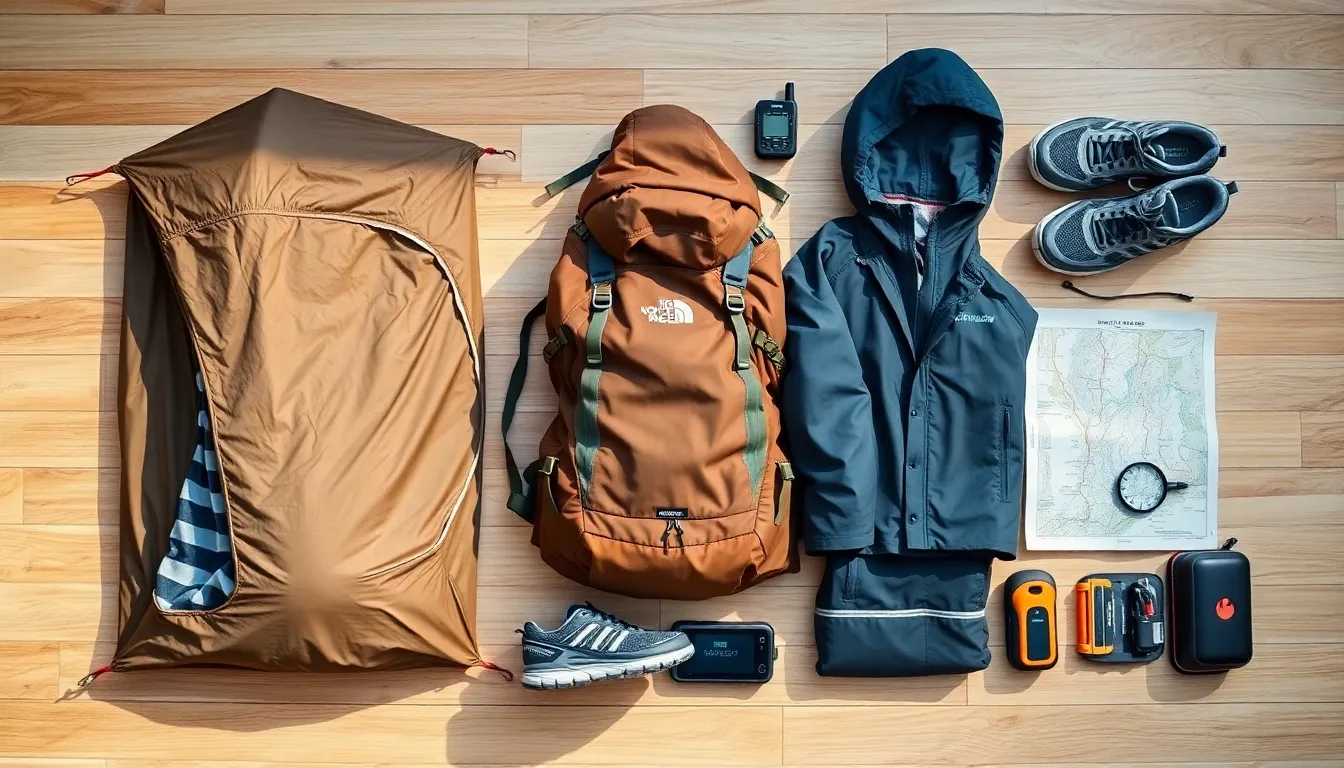
Footwear stands as the most critical hiking investment. The Salomon X Ultra 4 offers excellent ankle support and grip for day hikes under $150. For backpacking trips, the Merrell Moab 3 Mid provides comfort during long miles at a similar price point.
Backpacks should match trip length and load requirements. The Osprey Atmos AG 65 remains a top choice for multi-day trips, featuring anti-gravity suspension that distributes weight effectively. Day hikers benefit from the REI Co-op Flash 22, a budget-friendly option under $70.
Shelter options vary widely based on conditions. The Big Agnes Copper Spur HV UL2 weighs just over two pounds and packs small for backpackers. Car campers who prioritize space over weight should consider the REI Kingdom 6, which offers room to stand and move.
Sleep systems include both bags and pads. The Nemo Disco 15 sleeping bag accommodates side sleepers with its spoon shape. Pair it with the Therm-a-Rest NeoAir XLite for a warm, lightweight sleeping pad combination.
These gear recommendations examples prioritize proven performance. Each product has earned positive reviews from thousands of outdoor enthusiasts.
Photography and Creative Gear Suggestions
Photographers and content creators need equipment that matches their creative vision. These gear recommendations examples span different budgets and skill levels.
Camera bodies form the foundation of any kit. Beginners should consider the Canon EOS R50, a mirrorless option under $700 that shoots 4K video. Professionals often choose the Sony A7 IV for its full-frame sensor and excellent low-light performance around $2,500.
Lenses often matter more than camera bodies. The Sony 24-70mm f/2.8 GM II serves as a versatile all-around lens for events and travel. Portrait photographers love the Canon RF 85mm f/1.2L for its creamy background blur.
Tripods stabilize shots and enable long exposures. The Peak Design Travel Tripod collapses to just under 15 inches, making it ideal for photographers on the move. Studio shooters might prefer the heavier Manfrotto 055 series for maximum stability.
Lighting equipment transforms indoor photography. The Godox AD200Pro portable flash provides power for both location and studio work. Budget-conscious creators can start with continuous LED panels like the Neewer 660 kit.
These gear recommendations examples help photographers invest wisely at each stage of their creative journey.
Fitness and Sports Equipment Picks
Athletes and fitness enthusiasts need gear that supports their training goals. The following gear recommendations examples cover home gyms, running, and general fitness.
Home gym basics start with versatile equipment. Adjustable dumbbells like the Bowflex SelectTech 552 replace an entire rack in minimal space. A quality barbell and bumper plate set from Rogue Fitness supports compound lifts for years.
Running shoes require matching to gait and terrain. The Brooks Ghost 15 provides neutral cushioning for road runners. Trail runners benefit from the HOKA Speedgoat 5’s aggressive grip and rock protection.
Recovery tools accelerate progress between workouts. The Theragun Prime delivers percussive therapy at a mid-range price point. Foam rollers like the TriggerPoint GRID offer affordable muscle release.
Fitness trackers monitor performance metrics that matter. The Garmin Forerunner 265 tracks running dynamics, heart rate variability, and training load. Budget-conscious users find the Fitbit Charge 6 covers basics like steps, sleep, and workouts effectively.
These gear recommendations examples help athletes train smarter, recover faster, and track progress accurately.
How to Tailor Recommendations to Your Needs
Generic gear recommendations examples provide starting points, but personal factors should guide final decisions. Here’s how to customize suggestions.
Assess skill level honestly. Beginners often benefit from mid-range gear that forgives mistakes. Advanced users may need specialized equipment that matches their refined techniques.
Set a realistic budget. Quality gear doesn’t always mean the most expensive option. Many mid-tier products outperform premium alternatives in specific use cases. Research price-to-performance ratios before buying.
Consider frequency of use. Someone hiking twice yearly doesn’t need the same boots as a weekly trail runner. Occasional users can often rent high-end equipment rather than purchasing.
Read multiple reviews. Single sources can miss important details. Cross-reference gear recommendations examples from trusted publications, YouTube reviewers, and user forums.
Test before committing. Many outdoor retailers allow returns after trail use. Camera stores offer rental programs. Gyms sometimes have demo equipment. Taking advantage of these policies prevents expensive mistakes.
Factor in long-term costs. A cheap tent that needs replacement after two seasons costs more than a durable option upfront. Calculate total ownership costs when comparing gear recommendations examples.