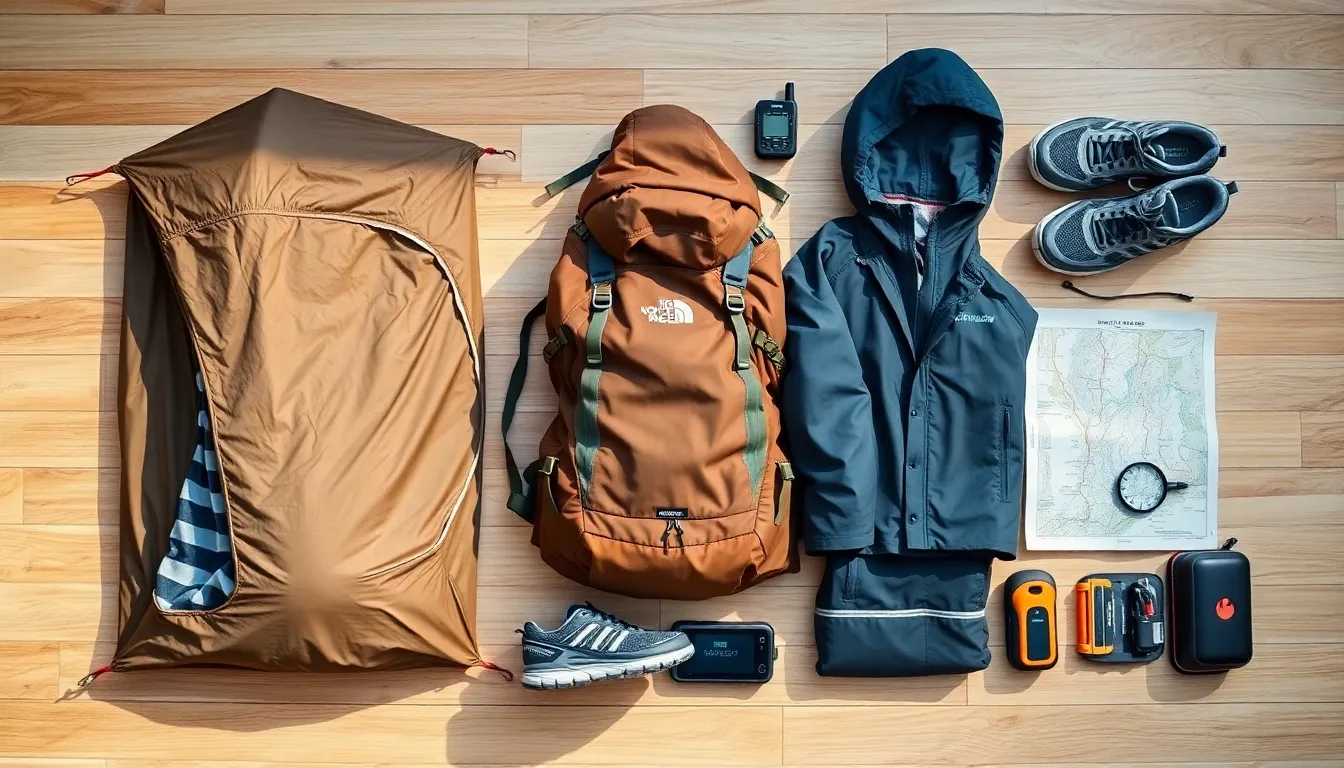
Gear recommendations help people select the right equipment for their specific needs. Whether someone is buying hiking boots, camera lenses, or gaming headsets, expert advice can save time, money, and frustration. But what exactly are gear recommendations, and how should they be used?
This guide breaks down everything about gear recommendations, what they are, why they matter, and how to evaluate them. Readers will learn to identify trustworthy sources and make confident purchasing decisions. By the end, choosing the right equipment becomes a straightforward process rather than a guessing game.
Table of Contents
ToggleKey Takeaways
- Gear recommendations are expert suggestions that match products to your specific needs, skill level, and budget.
- Trustworthy gear recommendations come from sources with proven experience and transparent testing methods.
- Always cross-reference recommendations from multiple independent sources to validate product suggestions.
- Set a realistic budget and list your must-have features before researching gear recommendations.
- Entry-level buyers should avoid overthinking—most decent equipment works well for beginners.
- When possible, test equipment in person before purchasing since hands-on experience beats any recommendation.
Understanding Gear Recommendations
Gear recommendations are expert suggestions that guide buyers toward specific products. These suggestions come from professionals, enthusiasts, or organizations with hands-on experience. They exist across virtually every hobby and profession, from outdoor sports to music production to photography.
At their core, gear recommendations answer a simple question: “What should I buy?” They consider factors like performance, durability, price, and intended use. A good gear recommendation matches a product’s strengths to a buyer’s actual needs.
Gear recommendations typically fall into three categories:
- Best Overall: Products that perform well across multiple criteria
- Best Value: Equipment offering strong performance at lower price points
- Best for Specific Uses: Items suited for particular activities or skill levels
Understanding these categories helps buyers interpret recommendations correctly. A “best overall” pick might cost more than someone’s budget allows. Meanwhile, a “best value” option could be perfect for beginners who aren’t ready to invest heavily.
Gear recommendations also differ from generic product reviews. Reviews describe what a product does. Recommendations go further, they explain who should buy it and why. This distinction matters because a five-star product isn’t automatically right for every user.
Why Gear Recommendations Matter
The equipment market has exploded with options. A quick search for “running shoes” returns thousands of results. Without gear recommendations, buyers face decision paralysis.
Gear recommendations cut through the noise. They filter out poor-quality products and highlight items worth considering. This filtering saves hours of research and prevents costly mistakes.
Here’s why gear recommendations carry real weight:
They Reduce Risk
Buying the wrong equipment wastes money. A climber who purchases inadequate ropes faces safety issues. A photographer with the wrong lens misses crucial shots. Gear recommendations from experienced users minimize these risks.
They Match Products to Skill Levels
Professional equipment often overwhelms beginners. Entry-level gear may frustrate advanced users. Good gear recommendations account for experience levels and suggest appropriate matches.
They Save Time
Researching every option is impractical. Gear recommendations compress weeks of testing into digestible summaries. Buyers can focus on a shortlist rather than the entire market.
They Reveal Hidden Factors
Spec sheets don’t tell the whole story. Does that backpack’s zipper jam in cold weather? Does that tripod wobble on uneven ground? Gear recommendations based on real-world use expose these details.
Without gear recommendations, buyers rely on marketing claims. Manufacturers highlight strengths and hide weaknesses. Independent recommendations balance this equation by providing honest assessments.
How to Evaluate Gear Recommendations
Not all gear recommendations deserve trust. Some come from affiliates pushing high-commission products. Others reflect outdated information or limited testing. Buyers need to evaluate recommendations critically.
Check the Source’s Experience
Who made this recommendation? A cycling enthusiast with ten years of riding experience offers more valuable gear recommendations than a general lifestyle blogger. Look for credentials, demonstrated expertise, or proof of actual product use.
Look for Testing Methods
Reliable gear recommendations explain how products were evaluated. Did the reviewer use the equipment for a weekend or six months? Were items tested in controlled conditions or real-world scenarios? Transparent testing methods indicate credible recommendations.
Consider Multiple Perspectives
One opinion isn’t enough. Cross-reference gear recommendations from different sources. When three independent experts agree on a product, that consensus carries weight. Conflicting recommendations signal the need for deeper research.
Watch for Bias
Does the source receive free products from manufacturers? Do they earn affiliate commissions? Bias doesn’t automatically disqualify a recommendation, but it should factor into evaluation. The best gear recommendations disclose potential conflicts of interest.
Verify Relevance to Your Needs
A recommendation labeled “best camera” might mean best for professionals. That same camera could frustrate casual users. Always check whether the recommendation’s criteria match personal requirements.
Common Sources for Reliable Gear Advice
Knowing where to find quality gear recommendations saves time and improves outcomes. Different sources serve different purposes.
Dedicated Review Sites
Websites like Wirecutter, Outdoor Gear Lab, and RTINGS specialize in product testing. Their gear recommendations follow structured methodologies. These sites often compare dozens of products before making selections.
Professional Communities
Forums and communities centered on specific activities offer peer-based gear recommendations. Photographers trust Fred Miranda. Hikers value Backpacking Light. These communities feature users with years of hands-on experience.
YouTube Reviewers
Video content shows equipment in action. Viewers see real performance rather than just reading descriptions. Popular channels in specific niches build reputations on honest gear recommendations.
Manufacturer-Independent Blogs
Bloggers who purchase their own equipment often provide unfiltered opinions. They don’t owe manufacturers favorable coverage. Their gear recommendations reflect genuine experiences.
Retail Staff (Sometimes)
Knowledgeable salespeople at specialty stores can offer useful gear recommendations. But, their advice may favor in-stock items or higher-margin products. Use retail input as one data point among many.
The best approach combines multiple sources. Check a dedicated review site, read forum discussions, and watch a video review. This triangulation produces the most reliable gear recommendations.
Tips for Making Your Final Gear Decisions
Gathering gear recommendations is step one. Making the final decision requires additional consideration.
Set a Realistic Budget
Before diving into recommendations, establish spending limits. The “best” product matters little if it exceeds available funds. Many gear recommendations include budget-friendly alternatives worth considering.
Prioritize Your Must-Haves
Create a list of non-negotiable features. A hiker might require waterproofing. A musician might need specific connectivity options. Use this list to filter gear recommendations quickly.
Don’t Overthink Entry-Level Purchases
Beginners sometimes obsess over finding the perfect first piece of equipment. In reality, most decent gear works fine for newcomers. Save the intensive research for upgrades after gaining experience.
Consider Long-Term Value
Cheap equipment that breaks quickly costs more than quality gear that lasts. Gear recommendations often factor in durability. Spending extra upfront can mean better value over years of use.
Test Before Buying When Possible
Some purchases allow hands-on testing. Try on hiking boots at a store. Test a guitar at a music shop. Physical experience beats any gear recommendation.
Trust Your Instincts
After reviewing multiple gear recommendations and considering personal needs, trust the decision. Analysis paralysis helps no one. Pick the option that feels right and move forward.