Safety gear isn’t just for the overly cautious; it’s for anyone who wants to keep their limbs intact while tackling life’s little adventures. Whether they’re scaling a mountain or just trying to fix a leaky faucet, people need to protect themselves from the unexpected. After all, accidents don’t send a calendar invite before they happen!
What Is Safety Gear?
Safety gear encompasses various equipment designed to protect individuals from potential hazards. Examples of safety gear include helmets, gloves, goggles, and safety shoes. Each type serves a specific purpose, aimed at reducing the risk of injury while performing activities.
Helmets protect the head during biking, skating, or construction work. Gloves safeguard hands against cuts, chemicals, and extreme temperatures. Goggles shield eyes from debris, harmful substances, or bright lights. Safety shoes provide support and protect feet from heavy objects and slippery surfaces.
In addition to personal protective equipment, safety gear extends to items like high-visibility clothing and harnesses. High-visibility clothing is essential for increasing visibility in low-light situations, especially for road workers. Harnesses play a crucial role in fall protection systems, especially in construction or climbing scenarios.
Wearing the appropriate safety gear significantly lowers the likelihood of accidents. Data indicates that using safety gear reduces workplace injuries by over 40%. Individuals must recognize the need for proper equipment, whether tackling adventurous endeavors or simple home repairs.
Ultimately, prioritizing safety gear enhances not only personal protection but also encourages a culture of safety within communities. Emphasizing the use of safety gear can lead to long-lasting benefits, ensuring peace of mind while engaging in various activities.
Importance Of Safety Gear
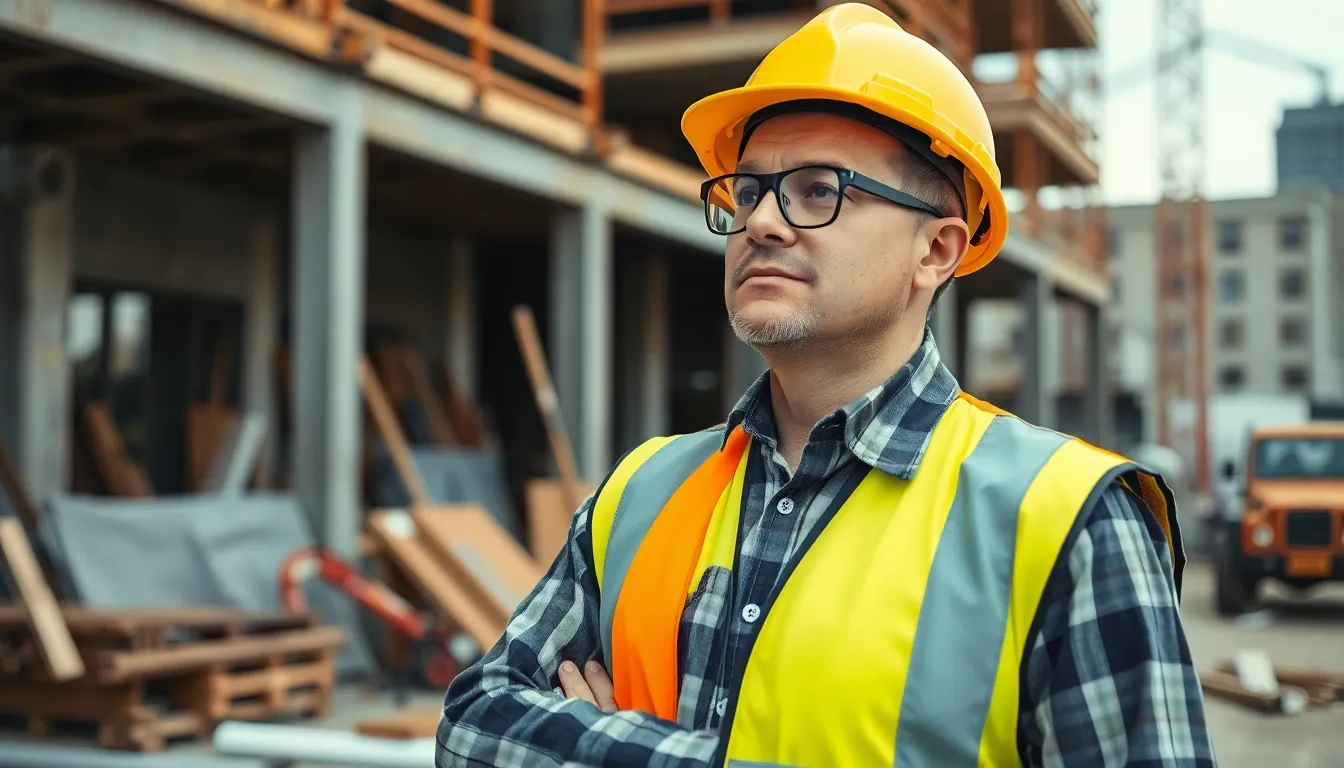
Safety gear plays a crucial role in preventing injuries and ensuring wellbeing during various activities. Prioritizing its use leads to significant safety benefits across different environments and tasks.
Protecting Against Injuries
Incorporating safety gear helps individuals avoid serious injuries. Helmets, for instance, absorb impact and shield the head in activities like biking. Gloves provide an essential barrier against cuts, chemicals, and abrasions during tasks. Goggles protect the eyes from flying debris, while safety shoes prevent foot injuries from heavy objects or slips. Studies confirm that using proper safety equipment decreases accident rates, showing a reduction in workplace injuries by over 40%. Adopting these protective measures enhances personal safety and overall confidence while undertaking any activity.
Compliance With Regulations
Many industries enforce safety regulations emphasizing the importance of appropriate gear. Compliance with these regulations safeguards employees and helps organizations avoid legal repercussions. Industries such as construction and manufacturing often require the use of helmets, gloves, and high-visibility clothing. Failure to adhere to safety standards can result in hefty fines and increased liability. Ensuring that all personnel wear the correct safety gear promotes a safer workplace and reinforces a commitment to health and safety practices. Organizations benefit not just from compliance but also from creating a culture centered on employee wellbeing.
Types Of Safety Gear
Understanding the different types of safety gear enhances protection. Each category serves a crucial role in reducing injury risks across various activities and occupations.
Personal Protective Equipment (PPE)
Personal Protective Equipment includes crucial items like gloves, goggles, and ear protection. Gloves protect hands from cuts, chemicals, and sharp objects. Goggles shield eyes from flying debris and harmful substances. Earplugs or earmuffs reduce noise exposure in loud environments. Compliance with PPE requirements can significantly decrease workplace injuries by over 40%, reinforcing safety culture in numerous industries.
Safety Footwear
Safety footwear protects feet from heavy machinery, sharp objects, and slippery surfaces. Steel-toed boots offer robust protection against crushing injuries. Slip-resistant shoes enhance stability and minimize the risk of falls. Proper footwear selection is essential in construction and industrial environments, where foot injuries remain common. Investing in high-quality safety footwear prevents injuries and promotes workers’ confidence.
Head Protection
Head protection is vital for preventing traumatic brain injuries. Helmets serve as the frontline defense in activities such as biking or construction. They absorb impact and reduce injury severity in case of falls or accidents. Wearing hard hats in construction zones remains a standard safety practice, and selecting appropriate headgear according to the environment enhances overall safety. Prioritizing head protection minimizes accidents and fosters a secure working atmosphere.
Respiratory Protection
Respiratory protection safeguards against inhaling harmful dust, vapors, and chemicals. Masks and respirators play key roles in various industrial settings. They filter out dangerous particles, ensuring air quality remains safe. Proper fit and usage of respiratory gear are critical, as inadequate protection can lead to long-term health issues. Compliance with respiratory safety standards protects workers’ health and enhances workplace safety practices.
How To Choose The Right Safety Gear
Selecting the appropriate safety gear demands careful consideration. Understanding the specific risks associated with a task significantly impacts choices.
Risk Assessment
Identifying potential hazards is the first step in selecting safety gear. Evaluating the environment, equipment, and tasks helps determine what type of protection is necessary. Consider how various risks, such as falling objects or exposure to chemicals, may affect safety. Conducting a thorough assessment equips individuals with the knowledge to select appropriate gear. Recognizing the unique challenges of each situation ultimately leads to better protection.
Fit And Comfort
Prioritizing fit and comfort ensures personnel can work effectively while wearing safety gear. Items that are too tight or too loose can hinder mobility and cause distractions. Reviewing sizing charts and trying gear before purchase helps confirm proper fit. Workers need to feel comfortable and unrestricted in their movements. Adapting different styles or designs to fit personal preferences can also enhance overall safety. Comfortable gear encourages consistent use, which is essential for maximizing protection.
Material Quality
Quality materials play a vital role in the performance of safety gear. Selecting gear made from durable and reliable materials enhances overall effectiveness. Items composed of high-quality fabric, sturdy plastics, or reinforced structures provide better protection against hazards. Checking for compliance with safety standards ensures that gear meets necessary regulations. Investing in well-constructed gear ultimately leads to longer-lasting use and better overall safety. Prioritizing material quality helps protect individuals from serious injuries.
Safety gear is an essential investment for anyone engaged in activities that pose potential risks. By prioritizing the use of appropriate protective equipment individuals not only safeguard themselves but also contribute to a culture of safety in their environments.
Choosing the right gear tailored to specific tasks can significantly reduce the likelihood of injuries and enhance overall well-being. Adhering to safety standards and ensuring a proper fit fosters confidence and encourages consistent use.
Ultimately the commitment to using safety gear leads to a safer experience whether at work or during leisure activities. It’s a proactive step toward protecting oneself and ensuring peace of mind in any situation.