Gear recommendations tips can save buyers hours of frustration and hundreds of dollars. The right equipment improves performance, lasts longer, and makes any activity more enjoyable. The wrong gear? It collects dust in a closet.
Choosing equipment isn’t about buying the most expensive option or following trends. It requires a clear process. Shoppers need to understand their actual needs, research product quality, balance cost with value, and test items before making final decisions.
This guide breaks down the essential gear recommendations tips that apply to any activity, whether someone is buying hiking boots, camera equipment, fitness gear, or camping supplies. These principles work across categories and budgets.
Table of Contents
ToggleKey Takeaways
- Define your actual needs before shopping to avoid impulse purchases that don’t match your requirements.
- Mid-range gear typically delivers the best value—offering 80% of the performance at 50% of the price of top-tier options.
- Calculate cost-per-use when comparing gear, as durable equipment often saves money over time despite higher upfront costs.
- Read both positive and negative reviews from users with similar needs to spot consistent strengths and issues.
- Test gear before committing by visiting stores, renting equipment, or using generous return policies to reduce purchase risk.
- Following these gear recommendations tips helps buyers save money while finding equipment that performs well and lasts longer.
Define Your Needs Before You Shop
The first step in any gear selection process is simple: know what you actually need. Many buyers skip this step. They browse products, get excited by features, and purchase items that don’t match their real requirements.
Start by answering specific questions. What activity is this gear for? How often will it be used? What conditions will it face? A weekend hiker needs different boots than someone training for a multi-day backpacking trip.
Gear recommendations tips from experts consistently emphasize this point. Match equipment to skill level and frequency of use. A beginner cyclist doesn’t need a $5,000 carbon frame. A professional photographer shouldn’t rely on entry-level lenses.
Make a list of must-have features versus nice-to-have features. Must-haves are non-negotiable. Nice-to-haves can be dropped if the budget gets tight. This list prevents impulse purchases and keeps decisions focused.
Consider future needs too. Will skills improve? Will usage increase? Sometimes spending slightly more on gear that accommodates growth makes sense. Other times, starting with basic equipment and upgrading later is the smarter path.
Research Quality and Durability
Quality determines how long gear lasts and how well it performs. Cheap equipment often fails at critical moments. Premium equipment usually offers better materials, construction, and warranties.
Research specific brands known for quality in each category. Some companies have built reputations over decades. Others are newer but offer excellent value. Brand reputation matters, but it shouldn’t be the only factor.
Look at materials and construction methods. Outdoor gear might use ripstop nylon, reinforced stitching, or water-resistant coatings. Electronics might feature aluminum housings or upgraded components. These details affect longevity.
Gear recommendations tips from experienced users often highlight durability over initial cost. A $200 jacket that lasts ten years costs less than three $80 jackets that each last two years. Calculate cost-per-use when comparing options.
Warranties and customer service also indicate quality. Companies confident in their products offer generous warranties. They make returns and repairs easy. Check warranty terms before purchasing.
Durability testing information helps too. Some gear undergoes independent testing. Look for certifications, lab results, or standardized ratings when available. These provide objective quality measurements.
Balance Budget With Performance
Budget matters. But the cheapest option rarely provides the best value. Gear recommendations tips from financial experts suggest finding the sweet spot between cost and performance.
Most product categories follow a similar pattern. Entry-level gear handles basic tasks at low prices. Mid-range gear offers significant performance improvements for moderate cost increases. High-end gear provides marginal gains at premium prices.
The mid-range often delivers the best value. Buyers get 80% of the performance at 50% of the cost compared to top-tier options. This applies to camping tents, running shoes, kitchen equipment, and most other gear categories.
Set a realistic budget before shopping. Include all necessary accessories. A camera body needs lenses. A tent needs stakes and a footprint. A bike needs a helmet and lock. Factor these costs into the total.
Watch for sales and seasonal discounts. Outdoor gear often goes on sale at the end of summer. Electronics drop in price when new models release. Patience can save 20-40% on quality equipment.
Avoid false economies. Buying cheap gear that needs immediate replacement wastes money. Investing in reliable mid-range equipment typically saves money over time.
Read Reviews and Seek Expert Advice
Reviews provide real-world feedback that specifications can’t capture. They reveal how gear performs after months of use. They highlight problems manufacturers don’t advertise.
Look for reviews from people with similar needs. A review from a professional athlete might not apply to a recreational user. A review from someone in a humid climate might not help someone in a desert environment.
Gear recommendations tips from review experts suggest reading both positive and negative feedback. Positive reviews show what works well. Negative reviews reveal common complaints. Patterns across multiple reviews indicate consistent issues or strengths.
Seek advice from people who use this gear regularly. Local clubs, online forums, and specialty retailers have knowledgeable members. They’ve tested equipment in real conditions. Their insights often prove more valuable than manufacturer claims.
Be cautious with sponsored content. Some reviews are paid promotions. Look for disclosures. Compare sponsored reviews against independent sources. Trust reviewers who mention specific drawbacks alongside benefits.
Expert buying guides from reputable publications also help. These guides test multiple products and provide comparisons. They explain which features matter most for different use cases.
Test Gear Before Committing
Testing gear before purchase reduces the risk of disappointment. Fit, feel, and function vary between products. What works for one person might not work for another.
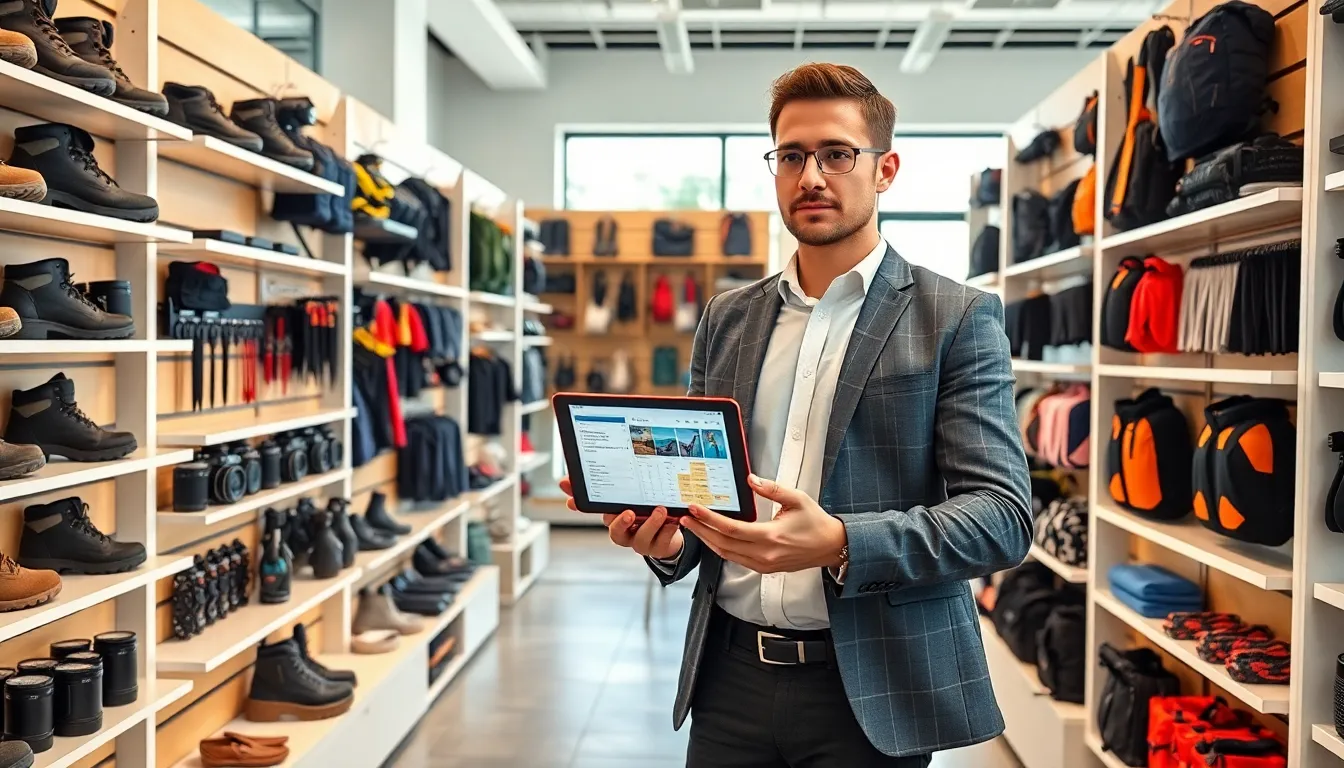
Visit physical stores when possible. Try on clothing and footwear. Hold cameras and tools. Sit on bikes. Physical interaction reveals comfort issues that photos and descriptions miss.
Many outdoor retailers offer rental programs. Renting gear before buying allows extended testing in real conditions. A weekend with rented camping equipment can inform a purchase decision better than hours of online research.
Gear recommendations tips for online shoppers include checking return policies carefully. Choose retailers with generous return windows and free return shipping. This allows testing at home without financial risk.
Some manufacturers offer trial periods. Mattress companies, for example, often provide 90-day trials. Outdoor brands sometimes offer satisfaction guarantees. Take advantage of these programs.
Ask friends or club members to borrow gear. A few uses provide practical experience. This hands-on testing often clarifies which features matter most. It also reveals preferences that weren’t obvious during initial research.