Solid gear recommendations strategies can save buyers from expensive mistakes and frustrating returns. Whether someone shops for hiking boots, camera equipment, or home gym setups, the process of selecting the right gear follows predictable patterns. Smart shoppers don’t rely on impulse decisions or flashy marketing. They use proven methods to evaluate options, compare features, and make purchases that serve them for years.
This guide breaks down practical gear recommendations strategies that work across categories. Readers will learn how to define their actual needs, research effectively, balance cost with quality, and use expert insights to their advantage. These approaches apply whether someone spends $50 on running shoes or $5,000 on photography equipment.
Table of Contents
ToggleKey Takeaways
- Effective gear recommendations strategies start with defining your specific needs, usage frequency, and conditions before browsing any products.
- Create a shortlist of 3–5 options and use multiple sources—manufacturer specs, reviews, forums, and comparison tools—for thorough research.
- Calculate cost per use rather than focusing on sticker price to find the best long-term value in any gear category.
- Target the pricing sweet spot (around 60–70% of top-tier prices) where quality jumps significantly without hitting diminishing returns.
- Combine expert reviews with user feedback to validate performance claims and uncover real-world durability issues.
- Test gear through rentals, in-store visits, or generous return policies before fully committing to expensive purchases.
Define Your Specific Needs and Goals
The first step in any gear recommendations strategy starts with honest self-assessment. Buyers often skip this step and jump straight to browsing product listings. This approach leads to overspending on features they’ll never use, or worse, underspending on critical capabilities.
Before opening a single browser tab, shoppers should answer three questions:
- What primary activity requires this gear? A weekend hiker needs different boots than someone training for a thru-hike.
- How often will they use the equipment? Frequency determines how much durability matters.
- What specific conditions or environments apply? Climate, terrain, and usage context all shape the ideal choice.
Writing down these answers creates a reference point for later decisions. When a salesperson pushes a premium model or a review raves about advanced features, buyers can check their list. Does that feature actually serve their stated goals?
Gear recommendations strategies work best when they start from use cases rather than product categories. Someone who defines their need as “capture sharp photos of my kids at soccer games” will research differently than someone who simply says “I need a camera.” The first approach narrows options immediately. The second leads to analysis paralysis.
Research and Compare Options Thoroughly
Once needs are clear, research begins in earnest. Effective gear recommendations strategies rely on systematic comparison rather than random browsing.
Create a Shortlist Based on Requirements
Start by identifying three to five products that meet the basic criteria. Filter options by price range, key specifications, and compatibility requirements. Most retail sites offer filtering tools that make this step straightforward.
Use Multiple Information Sources
No single source tells the complete story. Smart buyers consult:
- Manufacturer specifications for technical details
- Third-party reviews for performance assessments
- User forums for long-term reliability reports
- Comparison tools for side-by-side feature analysis
Gear recommendations strategies that rely on just one source often miss critical information. A manufacturer’s spec sheet won’t mention that a product runs hot during extended use. A single review might reflect an unusually positive or negative experience.
Look for Patterns in Feedback
When multiple reviewers mention the same strength or weakness, that observation probably reflects reality. One complaint about battery life might be an outlier. Ten complaints indicate a genuine issue. This pattern recognition helps buyers separate signal from noise in their gear recommendations strategy.
Balance Quality, Budget, and Long-Term Value
Price matters, but it shouldn’t dominate gear recommendations strategies. The cheapest option rarely delivers the best value, and the most expensive choice often includes features buyers don’t need.
Calculate Cost Per Use
A $200 pair of hiking boots worn 100 times costs $2 per use. A $50 pair that falls apart after 20 uses costs $2.50 per use and delivers a worse experience. This simple calculation reframes budget discussions around actual value.
Identify the Sweet Spot
Most product categories have a price tier where quality improves dramatically compared to entry-level options, but diminishing returns haven’t kicked in yet. Gear recommendations strategies should target this sweet spot. For many categories, it sits at roughly 60-70% of the top-tier price point.
Factor in Accessories and Maintenance
The purchase price tells only part of the story. Some gear requires expensive accessories, proprietary supplies, or regular maintenance. A $500 camera body that only works with $1,000+ lenses represents a different investment than one compatible with affordable third-party options.
Smart gear recommendations strategies account for total cost of ownership over the expected lifespan of the equipment.
Leverage Expert Reviews and User Feedback
Expert reviews and user feedback serve different purposes in gear recommendations strategies. Both deserve attention, but buyers should understand what each source offers.
Expert Reviews Provide Context
Professional reviewers test equipment systematically. They compare products against category standards and identify how options stack up against competitors. Expert reviews excel at explaining why certain features matter and how products perform under controlled conditions.
Look for reviewers who disclose their testing methodology and any potential conflicts of interest. Transparency signals credibility.
User Feedback Reveals Real-World Performance
Actual owners discover issues that lab testing misses. They report on customer service experiences, long-term durability, and how products perform outside ideal conditions. User feedback in gear recommendations strategies surfaces practical insights that formal reviews overlook.
Pay attention to reviews from users with similar use cases. A negative review from someone who misunderstood a product’s purpose carries less weight than criticism from the target audience.
Cross-Reference Both Sources
The strongest gear recommendations strategies combine expert analysis with user experience data. When experts praise a product and users confirm those observations after months of ownership, confidence increases. When these sources contradict each other, further investigation is warranted.
Test Before You Invest When Possible
Research only goes so far. Physical interaction with gear reveals qualities that specifications and reviews can’t fully capture.
Visit Retail Locations
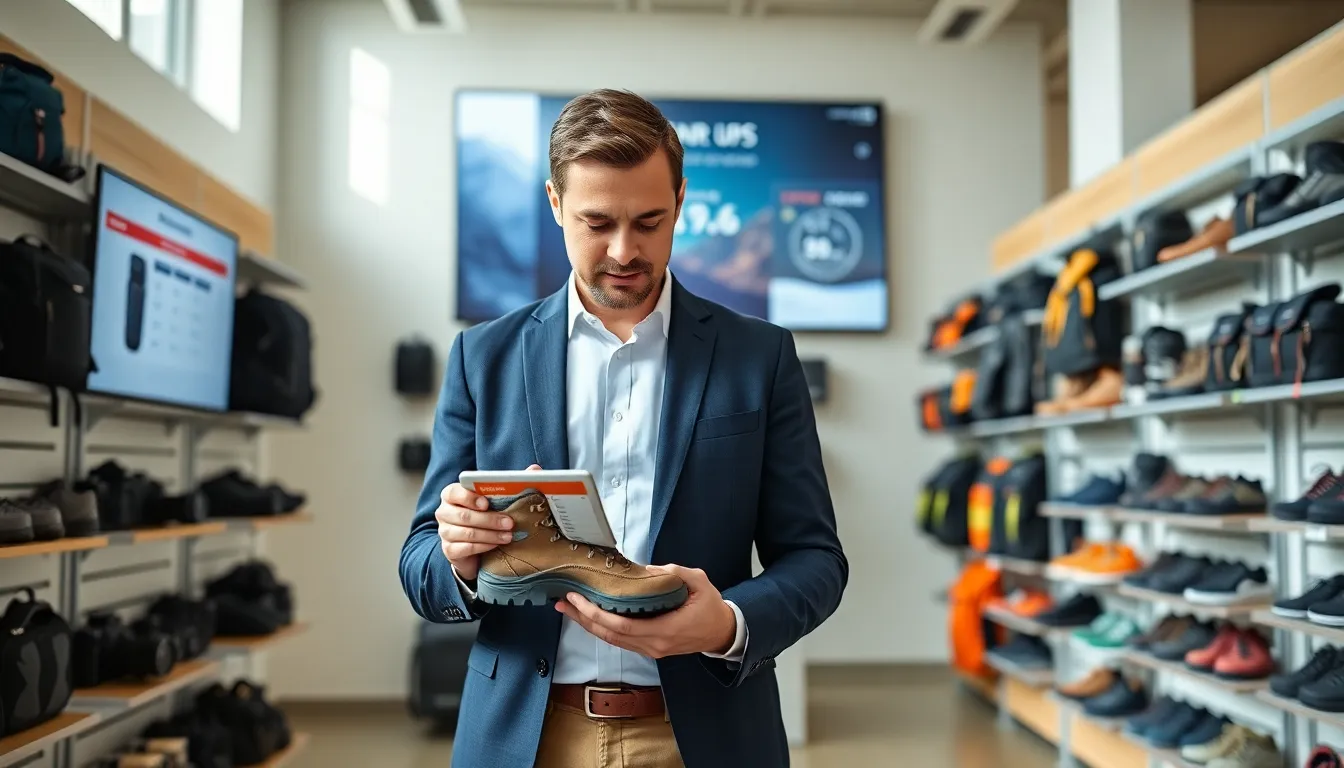
Brick-and-mortar stores let buyers handle products, check ergonomics, and assess build quality firsthand. Even if the final purchase happens online, an in-store visit adds valuable information to gear recommendations strategies.
Staff at specialty retailers often have genuine expertise. They’ve seen customers return products for predictable reasons and can share those patterns.
Take Advantage of Rental Programs
Many gear categories offer rental options. Outdoor equipment shops rent camping gear. Camera stores offer lens rentals. These programs let buyers test equipment under actual conditions before committing significant money.
A weekend with rented gear teaches more than hours of online research. Gear recommendations strategies should include rental testing whenever the investment justifies the rental cost.
Understand Return Policies
Generous return policies function as a form of risk-free testing. Some retailers offer 30, 60, or even 365-day return windows. Buyers can purchase with confidence, use the gear in real conditions, and return it if performance disappoints.
Gear recommendations strategies should factor return policies into purchasing decisions. A product with a lenient return policy carries less risk than one with no-return terms.