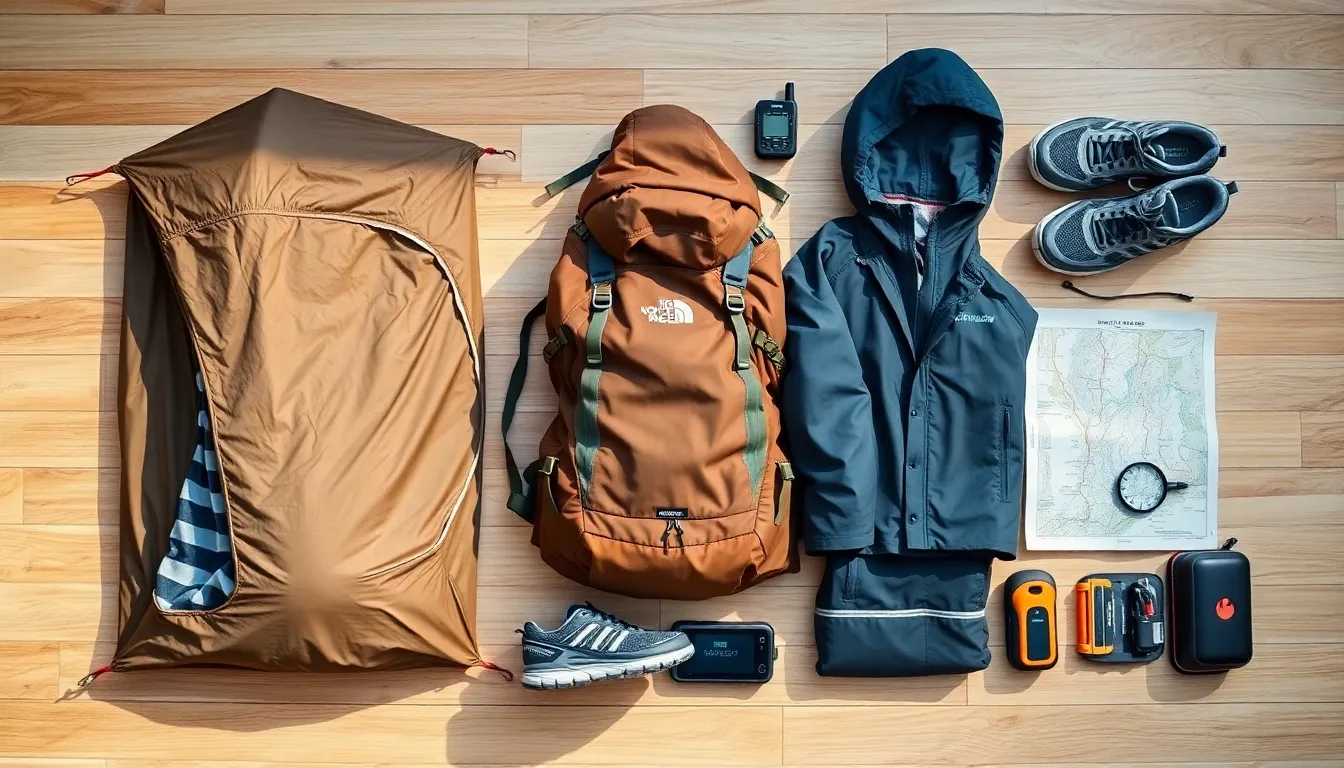
Finding the right gear recommendations ideas can save time, money, and frustration. Whether someone is starting a new hobby, upgrading their setup, or preparing for an adventure, the right equipment makes all the difference. But with countless options available, how does anyone cut through the noise and find what actually works?
This guide breaks down the process into clear, actionable steps. Readers will learn how to identify their specific needs, research effectively, balance quality with budget, and discover trusted sources for gear recommendations. By the end, building a collection that performs, without very costly, becomes much simpler.
Table of Contents
ToggleKey Takeaways
- Define your specific goals and activities before searching for gear recommendations ideas to avoid overspending on equipment you don’t need.
- Cross-reference multiple review sources—professional sites, user reviews, and video content—to identify patterns that reveal true product performance.
- Mid-range gear often delivers the best value, offering quality materials without the premium markup of top-tier brands.
- Explore used gear, refurbished programs, and end-of-season sales to stretch your budget without sacrificing quality.
- Test expensive equipment through rentals or demo programs before committing to a purchase.
- Track your gear performance over time to build a personal database that improves future buying decisions.
Identify Your Goals And Activities
The first step in finding solid gear recommendations ideas is knowing exactly what the equipment needs to do. A photographer shooting wildlife needs different lenses than one capturing street portraits. A weekend hiker has different boot requirements than a thru-hiker tackling the Appalachian Trail.
Start by asking specific questions:
- What activities will this gear support?
- How often will it be used?
- What conditions will it face (weather, terrain, intensity)?
- What level of experience does the user have?
Someone just getting into camping doesn’t need a four-season mountaineering tent. A beginner guitarist doesn’t require a $2,000 instrument. Matching gear to actual use prevents overspending and ensures the equipment serves its purpose.
It also helps to think about future goals. If a cyclist plans to eventually compete, investing in slightly better components now might make sense. If a kayaker only paddles calm lakes twice a year, entry-level gear works fine. Being honest about current skill level and realistic about future plans leads to smarter purchases.
Write down the specific use cases. This list becomes a filter for every gear recommendation encountered later.
Research Before You Buy
Once goals are clear, research becomes the next priority. Good gear recommendations ideas come from multiple sources, and cross-referencing them reveals which products actually deliver.
Check Multiple Review Sources
Don’t rely on a single website or influencer. Read professional reviews from established publications. Check user reviews on retail sites. Watch video reviews that show gear in action. Each source offers different perspectives, experts test technical specs while everyday users reveal long-term durability issues.
Look For Patterns In Feedback
When multiple reviewers mention the same flaw, that’s a red flag. When several sources praise the same feature, that’s validation. Patterns matter more than individual opinions. A single one-star review might be an outlier. Twenty complaints about the same zipper failing? That’s data.
Understand Specifications
Numbers tell stories. A backpack’s denier rating indicates fabric durability. A camera’s ISO range affects low-light performance. A tent’s hydrostatic head measures waterproofing. Learning what these specifications mean transforms gear recommendations from confusing to clear.
Research takes time, but it prevents expensive mistakes. An hour spent reading reviews can save hundreds of dollars on gear that doesn’t perform.
Balance Quality And Budget
Every buyer faces the same tension: better gear costs more money. Smart shoppers find the sweet spot where quality meets reasonable pricing.
Avoid The Cheapest Options
Rock-bottom prices usually signal rock-bottom quality. That $15 headlamp will fail when it’s needed most. Those $30 hiking boots will cause blisters within miles. Cheap gear often costs more in the long run because it needs replacing sooner.
Don’t Automatically Buy The Most Expensive
Premium prices don’t always mean premium performance. Sometimes buyers pay for brand names, marketing budgets, or features they’ll never use. A $500 jacket might only offer marginal improvements over a $200 option that handles 95% of conditions perfectly.
The Mid-Range Sweet Spot
Mid-range gear often delivers the best value. These products typically use quality materials and construction without the luxury markup. Many gear recommendations ideas point toward this category for good reason, it’s where most people find equipment that lasts without overpaying.
Consider Used And Refurbished
Quality gear holds up over time. Buying used from reputable sources can stretch budgets significantly. Outdoor gear swap groups, certified refurbished programs, and consignment shops offer deals on equipment that still has years of life left.
Where To Find Reliable Gear Recommendations
Not all gear recommendations ideas carry equal weight. Some sources have earned trust through years of honest, thorough testing.
Established Review Sites
Publications like Wirecutter, Outdoor Gear Lab, and specialized niche sites employ testers who use products extensively before publishing verdicts. They compare multiple options head-to-head and update recommendations as new products launch.
Community Forums And Subreddits
Enthusiast communities offer real-world insights from people who actually use gear daily. Reddit communities for camping, photography, cycling, and other activities feature honest discussions about what works. Forum veterans often catch issues that professional reviews miss.
YouTube Creators With Field Experience
Video reviews show gear in actual use conditions. Creators who take equipment into the field demonstrate performance in ways text reviews cannot. Look for channels with consistent publishing histories and transparent testing methods.
Manufacturer Websites (With Caution)
Manufacturers provide detailed specifications and feature lists. This information helps compare options. But, their descriptions always present products favorably. Use manufacturer sites for facts, not opinions.
Local Specialty Shops
Staff at outdoor stores, camera shops, and specialty retailers often have hands-on experience with the gear they sell. They can answer questions, explain differences between models, and sometimes offer demo opportunities.
Tips For Building Your Gear Collection
Building a solid collection happens over time. These strategies help buyers make smarter decisions with every purchase.
Start With Essentials
Identify the core items needed to participate in an activity safely and effectively. Buy those first. Add specialized gear later as skills develop and preferences become clearer.
Buy Once, Cry Once
For items used frequently, investing in quality pays off. A good backpack lasts decades. Quality optics maintain clarity for years. Sometimes spending more upfront costs less than buying replacements every season.
Wait For Sales
Patience saves money. End-of-season sales, holiday promotions, and new model releases all create discount opportunities. Signing up for retailer newsletters provides early access to deals on gear recommendations.
Test Before Committing
Rental programs let buyers try expensive gear before purchasing. Demo days at outdoor retailers offer hands-on experience. Friends might lend equipment for a trip. Testing eliminates guesswork.
Track What Works
Keep notes on gear performance. What held up? What failed? What exceeded expectations? This personal database of gear recommendations ideas improves future buying decisions.