Getting the right gear recommendations for beginners can feel overwhelming. Every website lists “must-have” items, and every brand claims their product is essential. But here’s the truth: most beginners buy too much, too soon, and spend money on things they don’t need.
This guide cuts through the noise. It covers what gear actually matters, how to balance quality with budget, and which mistakes to avoid. Whether someone is starting a new outdoor hobby, picking up photography, or diving into fitness, the same principles apply. Smart gear choices save money and prevent frustration down the road.
Table of Contents
ToggleKey Takeaways
- The best gear recommendations for beginners start with understanding your specific activity before making any purchases.
- Prioritize safety equipment, core performance items, and comfort additions—in that order—to maximize your budget.
- Mid-range gear often provides the best value for beginners, balancing quality and cost without overcommitting financially.
- Rent or borrow equipment first to test different options and discover your actual needs through hands-on experience.
- Avoid common mistakes like buying everything at once, chasing brand names over proper fit, and skipping the research phase.
- Used and certified pre-owned gear can deliver excellent performance at significantly reduced prices.
Understanding Your Activity Before Buying Gear
The biggest mistake beginners make? Buying gear before they understand what they need it for.
Gear recommendations for beginners should always start with a simple question: What specific activity will this equipment support? A person planning weekend hiking trips has different needs than someone training for a marathon. A casual photographer shooting family events requires different tools than an aspiring wildlife photographer.
Here’s a practical approach:
Research the activity first. Spend time learning about the hobby or sport before opening a wallet. Watch YouTube tutorials. Read forums. Talk to people who’ve been doing it for years. They’ll reveal which gear matters and which items collect dust.
Start with rentals or borrowed equipment. Many outdoor stores rent camping gear, kayaks, and bikes. Photography shops offer camera rentals. This lets beginners test different options without commitment. Someone might discover they prefer a different style of activity altogether.
List the basics for the first 3-6 months. Beginners don’t need advanced equipment. A new runner needs quality shoes, not a GPS watch, compression socks, and hydration vest on day one. A beginning guitarist needs a decent instrument and a tuner. Everything else can wait.
The goal is matching gear to actual needs, not aspirational ones. Buying for the person someone hopes to become in two years leads to wasted money and unused equipment sitting in closets.
Essential Gear Every Beginner Should Prioritize
Not all gear carries equal weight. Some items directly affect safety, performance, or enjoyment. Others are nice-to-have additions that can wait.
Gear recommendations for beginners should focus on three categories:
Safety Equipment
This category is non-negotiable. Helmets for cycling, climbing harnesses, life jackets for water sports, these items protect against serious injury. Never cut corners on safety gear. Buy quality options that meet current safety standards and fit properly.
Core Performance Items
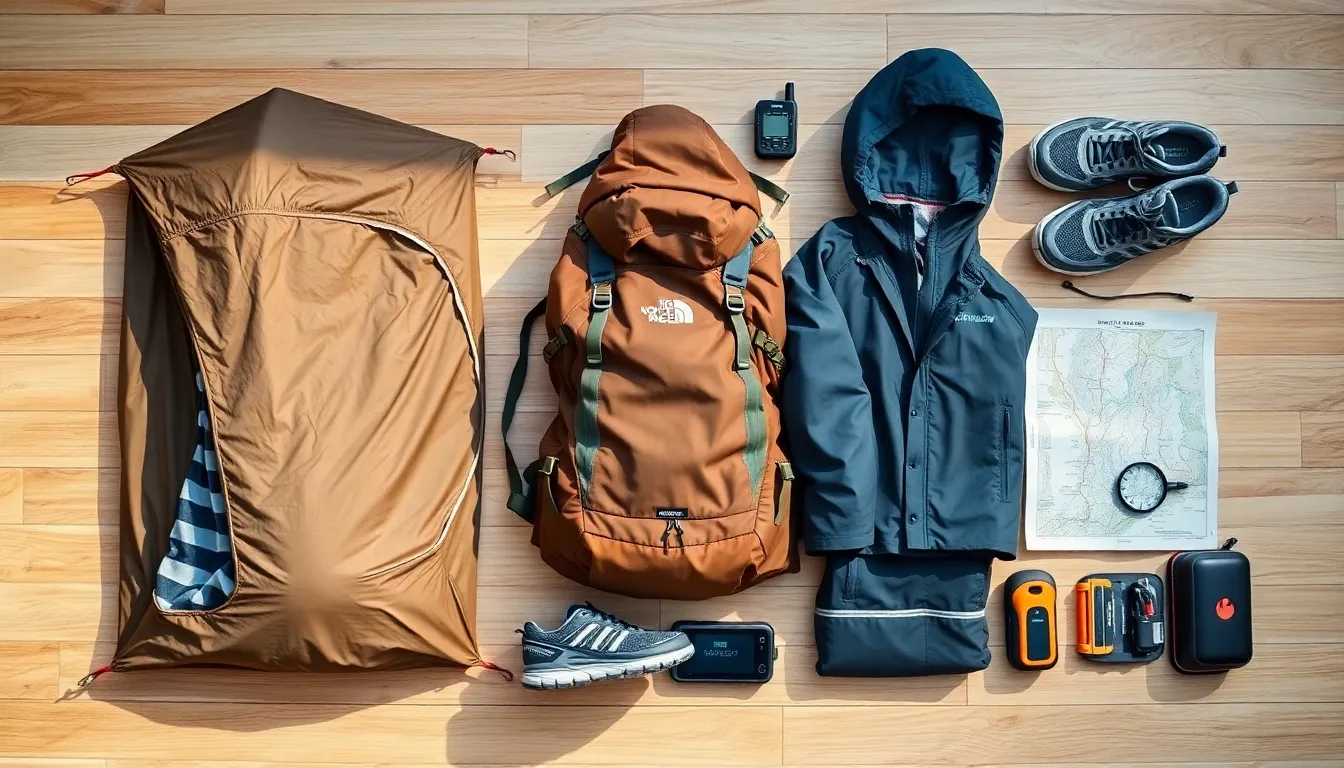
These are the tools that directly enable the activity. For hikers, that means proper footwear and a reliable backpack. For photographers, it’s the camera body and a versatile lens. For musicians, it’s the instrument itself.
Core items deserve the largest portion of a beginner’s budget. A well-made guitar inspires practice. Quality running shoes prevent injury. A reliable tent makes camping enjoyable rather than miserable.
Comfort and Convenience Additions
Everything else falls here. Specialized clothing, accessories, gadgets, and upgrades. These items improve the experience but aren’t essential for starting out.
Beginners should acquire comfort items gradually as they identify genuine needs. After a few camping trips, someone knows if they need a better sleeping pad. After several photo sessions, a photographer understands which lens they actually want next.
This tiered approach keeps initial investment reasonable while ensuring money goes toward items that matter most.
Quality vs. Budget: Finding the Right Balance
The “buy nice or buy twice” advice sounds smart, but it oversimplifies the decision for beginners.
Here’s the reality: gear recommendations for beginners should balance quality with commitment level. Someone who isn’t sure they’ll stick with an activity shouldn’t spend top dollar on premium equipment.
The sweet spot exists in the mid-range. Entry-level professional brands often offer beginner lines that use quality materials without premium price tags. These products perform well, last reasonably long, and cost significantly less than flagship models.
Consider this framework:
- High commitment + safety gear = invest in quality. If someone knows they’ll pursue the activity seriously, and the gear affects safety, spending more makes sense.
- Uncertain commitment + non-essential item = start budget-friendly. Testing a new hobby? Buy affordable options first. Upgrade later if the interest grows.
- Any commitment + core performance item = aim for mid-range. The main tool of any activity should work well. Cheap guitars frustrate learners. Poorly made hiking boots cause blisters. Mid-range options provide reliability without very costly.
Used gear offers another path. Outdoor enthusiasts regularly sell lightly-used equipment when they upgrade. Camera stores stock certified pre-owned bodies and lenses. Consignment shops carry quality items at reduced prices.
A beginner with a $500 budget who buys smart will often outperform someone who spent $1,500 on mismatched premium items they don’t know how to use.
Common Gear Mistakes Beginners Should Avoid
Learning from others’ mistakes saves time, money, and frustration. These errors show up repeatedly among new enthusiasts across nearly every activity.
Buying everything at once. Beginners often purchase complete kits or every recommended item before their first session. This approach wastes money on items they may never use and prevents them from learning what they actually need through experience.
Prioritizing brand names over fit and function. A famous brand name doesn’t guarantee the product suits a specific person. Hiking boots from a prestigious company that don’t fit properly will cause more problems than budget boots that fit well. Try before buying. Read reviews from people with similar needs.
Ignoring maintenance requirements. Every piece of gear needs care. Beginners frequently buy equipment without considering whether they’ll maintain it properly. A quality leather jacket requires conditioning. Camera sensors need cleaning. Bikes need regular tune-ups. Factor maintenance into purchase decisions.
Following gear recommendations for beginners without context. An “essential” item on one list might be unnecessary for someone else’s situation. A backpacking checklist for mountain terrain doesn’t apply to flat coastal trails. Photography gear for studio work differs from gear for street photography. Always filter recommendations through personal circumstances.
Skipping the research phase. Impulse purchases based on flashy marketing lead to regret. Spending thirty minutes reading reviews and comparing options prevents poor decisions. Many products look identical but perform very differently.
These mistakes share a common thread: rushing the process. Patience leads to better gear choices.