Finding the right top gear recommendations can make or break an outdoor adventure. Whether someone plans a weekend camping trip or a multi-day hiking expedition, the equipment they carry determines comfort, safety, and overall enjoyment. The wrong tent in a rainstorm? Misery. Ill-fitting boots on a mountain trail? Blisters for days.
This guide covers essential gear across four key categories: camping and hiking equipment, apparel and footwear, navigation and safety tools, and maintenance tips. Each section delivers practical advice based on real-world performance, not marketing hype. Outdoor enthusiasts at any skill level will find actionable recommendations to upgrade their kit and hit the trail with confidence.
Table of Contents
ToggleKey Takeaways
- Top gear recommendations for outdoor adventures focus on the big three essentials: shelter, sleep system, and a properly fitted backpack.
- Layer your clothing with moisture-wicking base layers, insulating mid-layers, and waterproof outer shells to stay comfortable in any conditions.
- Always carry the Ten Essentials—navigation, sun protection, first aid, fire tools, and emergency shelter—on every outdoor trip.
- GPS apps are convenient, but a physical map and compass remain critical backup tools when batteries fail.
- Proper gear maintenance, including cleaning, waterproofing restoration, and regular inspections, extends equipment life by years.
- Invest in quality footwear that fits properly—shop in the afternoon when feet are slightly swollen to mimic trail conditions.
Essential Camping and Hiking Gear
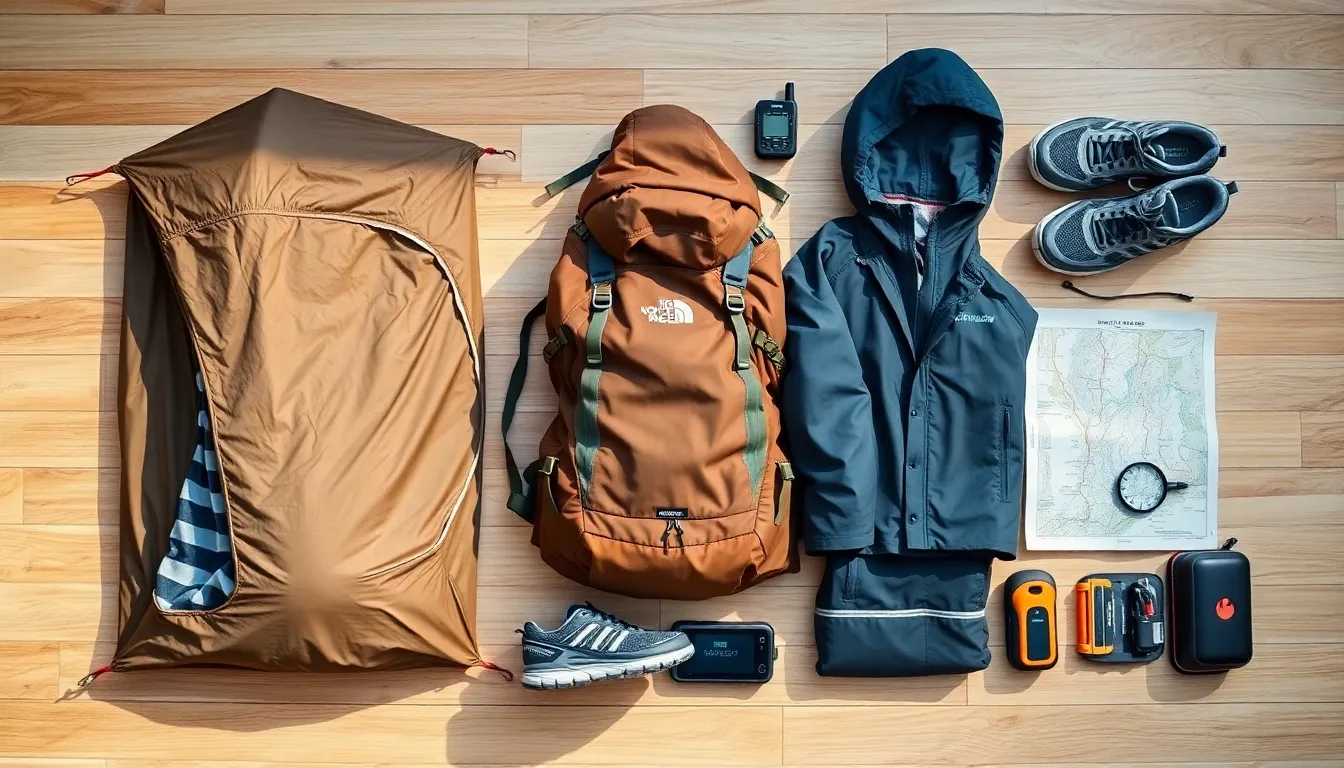
Quality camping and hiking gear forms the foundation of any successful outdoor trip. Smart gear recommendations start with the big three: shelter, sleep system, and backpack.
Tents and Shelters
A reliable tent protects against rain, wind, and insects. Three-season tents work well for spring through fall adventures. They balance weight, ventilation, and weather protection. Look for models with full rainfly coverage and sealed seams. Popular choices include freestanding dome tents in the 3-4 pound range for backpacking or larger cabin-style tents for car camping.
For ultralight enthusiasts, trekking pole shelters and tarps cut weight dramatically. These options require more setup skill but reward users with packs under 2 pounds.
Sleep Systems
A good night’s sleep requires two components: a sleeping bag and a sleeping pad. Bags come rated by temperature, so buyers should choose based on the coldest conditions they expect. Down insulation offers the best warmth-to-weight ratio but loses effectiveness when wet. Synthetic fills cost less and perform better in damp conditions.
Sleeping pads provide insulation from cold ground and cushioning for comfort. R-value measures insulation, higher numbers mean more warmth. Summer campers can use pads rated R-2 or less. Winter adventurers need R-5 or higher.
Backpacks
Pack selection depends on trip length. Day hikes require 15-30 liters. Weekend trips need 40-50 liters. Extended expeditions demand 60+ liters. Proper fit matters more than brand. Hip belts should transfer 80% of weight to the hips, not the shoulders.
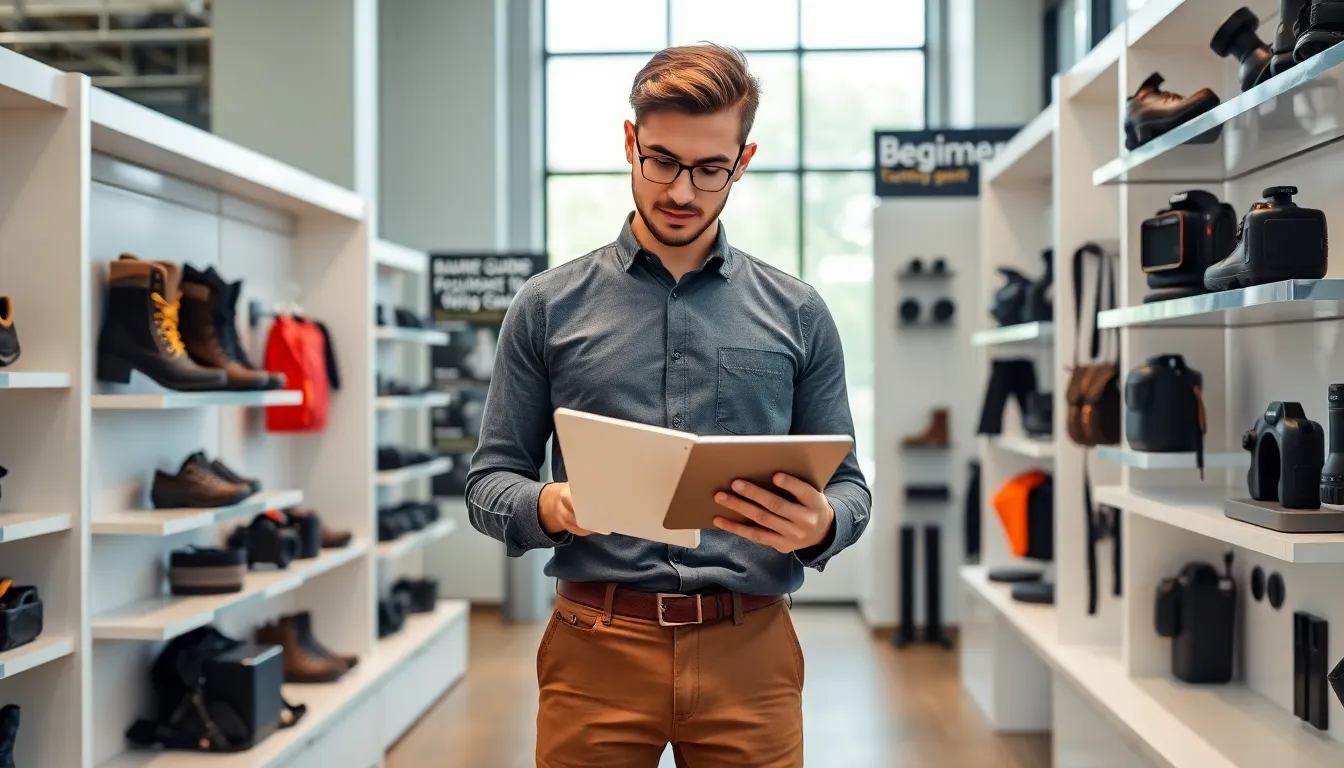
Top gear recommendations for backpacks emphasize adjustable torso length, load lifter straps, and ventilated back panels. Try several options with weight in the store before purchasing.
Must-Have Apparel and Footwear
The right clothing and footwear prevent discomfort and dangerous situations. Outdoor apparel follows the layering principle: base layer, insulating layer, and outer shell.
Base Layers
Base layers sit against the skin and manage moisture. Cotton holds sweat and causes chills, avoid it entirely. Merino wool and synthetic fabrics wick moisture away from the body. Merino also resists odor, making it ideal for multi-day trips.
Fit should be snug but not restrictive. Loose base layers bunch up and create friction points.
Insulating Layers
Mid-layers trap body heat. Fleece jackets offer excellent warmth at low cost. Down and synthetic puffy jackets compress small and provide serious warmth for cold conditions. Many hikers carry both, fleece for active movement and a puffy for rest stops.
Top gear recommendations suggest buying insulating layers slightly larger to fit over base layers comfortably.
Outer Shells
Rain jackets and wind shells protect against weather. Waterproof-breathable membranes like Gore-Tex allow sweat vapor to escape while blocking rain. Budget options use cheaper coatings that work but wear out faster.
A quality rain jacket costs more upfront but lasts years longer than cheap alternatives. Pit zips and adjustable hoods add versatility.
Footwear Selection
Boots versus trail runners sparks endless debate. Traditional hiking boots provide ankle support and durability for heavy loads and rough terrain. Trail runners weigh less, dry faster, and feel more agile.
Most day hikers benefit from lightweight trail shoes. Backpackers carrying 30+ pounds should consider mid-cut boots. Either way, proper fit prevents blisters. Shop in the afternoon when feet have swollen slightly, mimicking trail conditions.
Navigation and Safety Equipment
Getting lost or injured turns adventures into emergencies. Smart gear recommendations always include navigation and safety items.
Navigation Tools
GPS devices and smartphone apps have changed backcountry travel. Apps like Gaia GPS and AllTrails provide detailed maps with offline capability. But, batteries die. Every outdoor enthusiast should carry a physical map and compass as backup.
Learning basic map and compass skills takes just a few hours. This knowledge could save a life when technology fails.
Communication Devices
Satellite messengers allow two-way communication outside cell coverage. Devices from Garmin and ZOLEO send texts via satellite and include SOS functions that alert rescue services. Monthly subscription costs vary, but the safety value justifies the expense for remote travel.
Personal locator beacons (PLBs) offer one-way SOS capability without subscription fees. They work globally and last for years without maintenance.
First Aid Kits
Pre-made kits provide a starting point, but users should customize contents based on trip length and personal needs. Essential items include:
- Adhesive bandages in multiple sizes
- Gauze pads and medical tape
- Antiseptic wipes
- Pain relievers
- Blister treatment supplies
- Tweezers for splinters and ticks
- Emergency blanket
Wilderness first aid courses teach proper use of these supplies. Even basic training improves outcomes in emergency situations.
Emergency Essentials
Top gear recommendations include carrying the Ten Essentials on every trip: navigation, sun protection, insulation, illumination, first aid supplies, fire-starting tools, repair kit, nutrition, hydration, and emergency shelter. This list has saved countless lives since the 1930s.
Gear Maintenance and Longevity Tips
Quality outdoor gear costs significant money. Proper care extends equipment life by years and maintains performance.
Cleaning and Storage
Dirt and grime degrade fabrics and coatings. Clean tents, sleeping bags, and jackets according to manufacturer instructions. Most items require gentle cycles with specialized cleaners, standard detergents damage waterproof membranes.
Store gear loosely in dry spaces. Compressing down sleeping bags for extended periods destroys loft. Hang items or use large breathable storage sacks instead of stuff sacks.
Waterproofing Restoration
Durable water repellent (DWR) coatings wear off over time. When water stops beading on rain gear, reapply DWR treatment. Products like Nikwax TX.Direct restore performance in one wash-and-dry cycle.
Seam sealer repairs tent floors and rainflies. Apply to any areas showing wear before leaks develop.
Repair Skills
Basic repair skills save money and prevent trip-ending failures. Every hiker should know how to:
- Patch holes in tents and sleeping pads
- Replace broken zipper pulls
- Sew torn seams
- Repair pack straps
Carry a small repair kit with needle, thread, patches, and duct tape on every trip. Field repairs keep gear functional until proper fixes happen at home.
Inspection Routines
Check all gear before and after each trip. Look for worn spots, failing zippers, and compromised seams. Address small problems immediately, they always get worse. A five-minute inspection prevents major failures on the trail.
Top gear recommendations lose value without proper maintenance. Treat equipment well, and it performs reliably for decades.