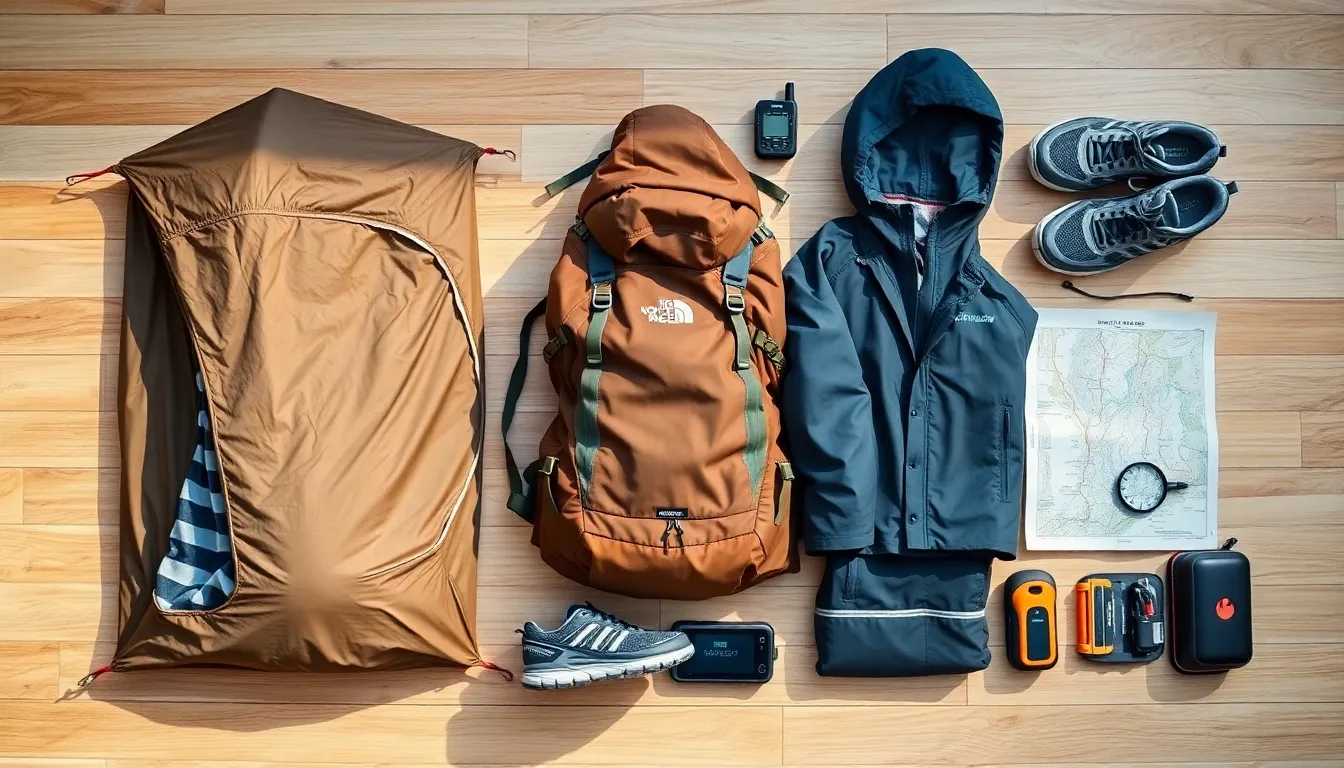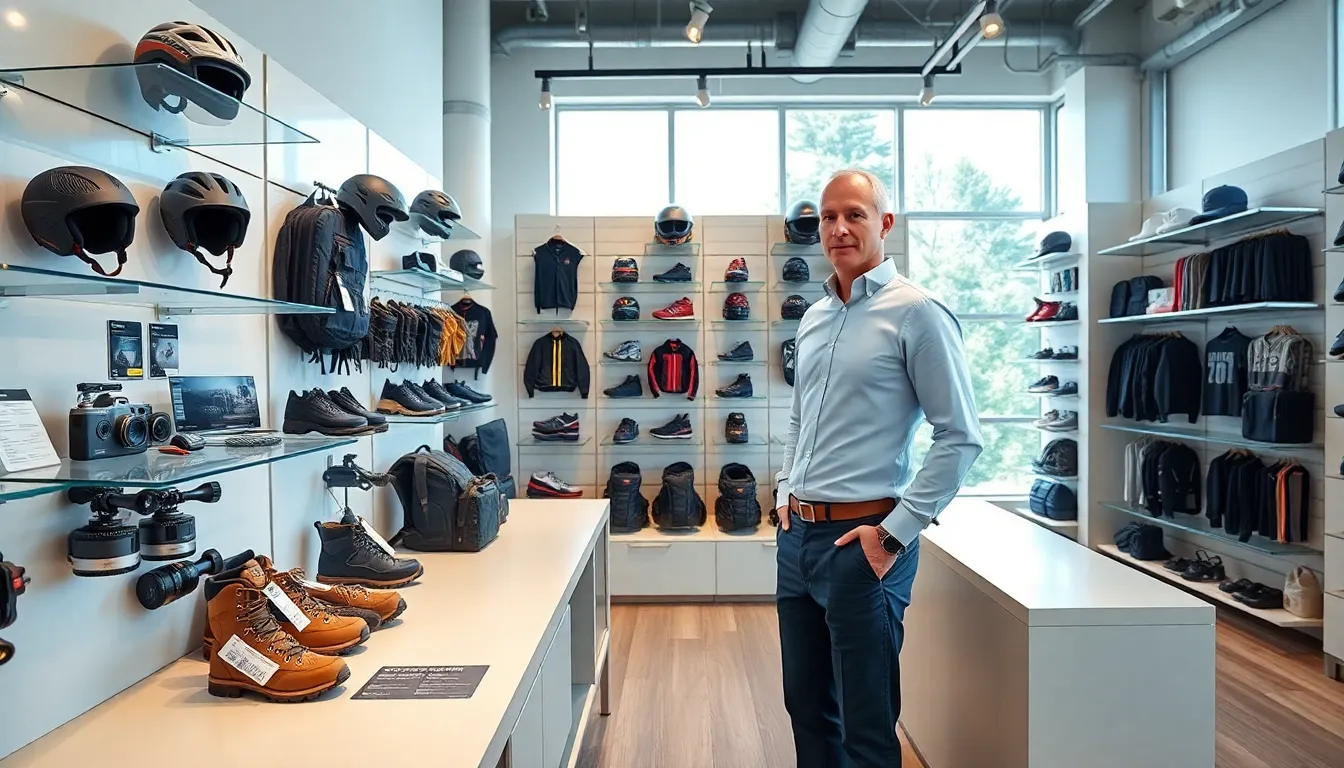
A solid gear recommendations guide saves time, money, and frustration. Whether someone plans to hike a mountain trail, start a home gym, or pick up photography, the right equipment makes a real difference. Poor gear choices lead to wasted budgets and disappointing experiences. Smart choices deliver better performance and longer-lasting value.
This gear recommendations guide breaks down the essential steps for selecting equipment that matches specific needs. Readers will learn how to assess their activity level, compare key features, balance budget with quality, and find trustworthy sources for purchasing gear. The goal is simple: help people make confident, informed decisions about their equipment.
Table of Contents
ToggleKey Takeaways
- A solid gear recommendations guide starts with honest self-assessment of your activity type, skill level, and usage frequency.
- Match equipment to your experience level—beginners benefit from forgiving entry-level gear, while advanced users can invest in specialized options.
- Prioritize durability, proper fit, and essential features over flashy extras that add weight, complexity, and unnecessary cost.
- Invest more in safety equipment and frequently used items, but consider budget options for occasional use or when testing new activities.
- Research purchases through detailed user reviews, forum communities, and professional testing sites before buying.
- Time your purchases around seasonal sales and end-of-season clearances to maximize savings on quality gear.
Understanding Your Activity and Skill Level
The first step in any gear recommendations guide starts with self-assessment. What activity does the gear support? How often will someone use it? These questions shape every purchase decision.
Define the Activity Clearly
Different activities demand different equipment. A casual jogger doesn’t need the same running shoes as a marathon trainer. A weekend camper has different tent requirements than a backcountry explorer. Specificity matters here. Buyers should list exactly what they plan to do with their gear before browsing any products.
Assess Current Skill Level
Beginners often make the mistake of buying advanced equipment. A novice guitarist doesn’t benefit from a $3,000 custom instrument. A first-time kayaker doesn’t need a professional-grade racing boat. Entry-level gear typically offers forgiveness and ease of use that helps new users learn proper technique.
Intermediate users can consider mid-range equipment that offers room to grow. Advanced practitioners know their preferences and can invest in specialized gear that matches their refined needs.
Consider Frequency of Use
Someone who hikes twice a year has different gear requirements than someone who hits trails every weekend. Frequent use justifies higher-quality purchases. Occasional use might call for budget-friendly options or rental alternatives.
This gear recommendations guide emphasizes honest self-evaluation. Overestimating skill level or usage frequency leads to overspending. Underestimating leads to frustration with inadequate equipment.
Key Factors to Consider When Selecting Gear
Once buyers understand their needs, they should evaluate gear based on specific criteria. A good gear recommendations guide highlights the factors that actually matter.
Durability and Build Quality
Materials determine lifespan. Gear made from quality components lasts longer and performs better under stress. Check product specifications for material details. Read reviews that mention long-term durability rather than just initial impressions.
Weight and Portability
For outdoor activities, weight affects performance and enjoyment. Lighter gear reduces fatigue during extended use. But, ultralight options sometimes sacrifice durability. Finding the right balance depends on individual priorities.
Fit and Comfort
Ill-fitting gear causes discomfort and potential injury. Backpacks need proper torso measurements. Shoes require accurate sizing. Helmets must fit snugly without pressure points. Whenever possible, buyers should try gear before purchasing or buy from retailers with generous return policies.
Features vs. Simplicity
More features don’t always mean better performance. Extra bells and whistles add weight, complexity, and cost. A gear recommendations guide should remind buyers to focus on features they’ll actually use. A camera with fifty settings doesn’t help someone who only needs basic functions.
Brand Reputation and Warranty
Established brands often deliver consistent quality. They also provide better customer support and warranty coverage. But, newer brands sometimes offer excellent value. Research specific products rather than relying solely on brand names.
Compatibility
Some gear works within ecosystems. Camera lenses fit specific mounts. Bike components follow certain standards. Buyers should verify compatibility with existing equipment before purchasing.
Budget-Friendly vs. Premium Options
Price ranges vary dramatically across gear categories. This gear recommendations guide helps readers understand when to save and when to spend.
When Budget Options Make Sense
Entry-level gear suits beginners testing new activities. Someone unsure about committing to rock climbing shouldn’t invest in expensive harnesses and ropes. Budget options allow experimentation without major financial risk.
Items with short lifespans or high replacement frequency also justify lower spending. Consumable accessories like straps, bags, and basic tools often perform adequately at lower price points.
When Premium Gear Pays Off
Safety equipment deserves higher investment. Helmets, harnesses, protective padding, and similar items directly affect user safety. Cutting corners here creates unnecessary risk.
Gear used frequently also benefits from premium construction. Daily-use items experience more wear. Higher quality translates to longer service life and better cost-per-use value over time.
Specialized activities often require premium options. Professional photographers need reliable cameras. Serious mountaineers need dependable cold-weather gear. Performance at this level demands quality.
The Middle Ground
Mid-range gear often delivers the best value for serious hobbyists. These products balance quality with affordability. They skip luxury features while maintaining solid performance.
This gear recommendations guide suggests starting with mid-range options for committed users. Upgrade to premium gear only after outgrowing current equipment or developing specific preferences that justify the expense.
Where to Research and Purchase Quality Gear
Finding reliable information and trustworthy retailers matters as much as selecting the right gear.
Research Sources
Online reviews provide user perspectives on real-world performance. Look for detailed reviews that discuss specific use cases rather than generic praise. Video reviews often show gear in action, revealing details that photos miss.
Forum communities dedicated to specific activities offer valuable insights. Members share experiences, compare products, and answer questions. Reddit, specialized forums, and Facebook groups all host active gear discussions.
Professional review sites test products systematically. Publications like OutdoorGearLab, Wirecutter, and activity-specific magazines apply consistent testing methods. Their gear recommendations guide readers toward products that perform well under controlled evaluation.
Purchase Options
Specialty retailers employ knowledgeable staff who can answer questions and provide fitting assistance. Local shops allow hands-on evaluation before purchase. Many offer price matching with online competitors.
Online retailers provide convenience and broader selection. Major platforms like REI, Amazon, and brand-direct websites often feature customer reviews, detailed specifications, and competitive pricing.
Used gear markets offer significant savings. Platforms like Facebook Marketplace, eBay, and gear-specific swap sites sell quality equipment at reduced prices. Inspect used items carefully for wear and damage.
Timing Purchases
Seasonal sales offer substantial discounts. End-of-season clearances move last year’s models at reduced prices. Holiday sales and annual events like Black Friday provide additional savings opportunities.