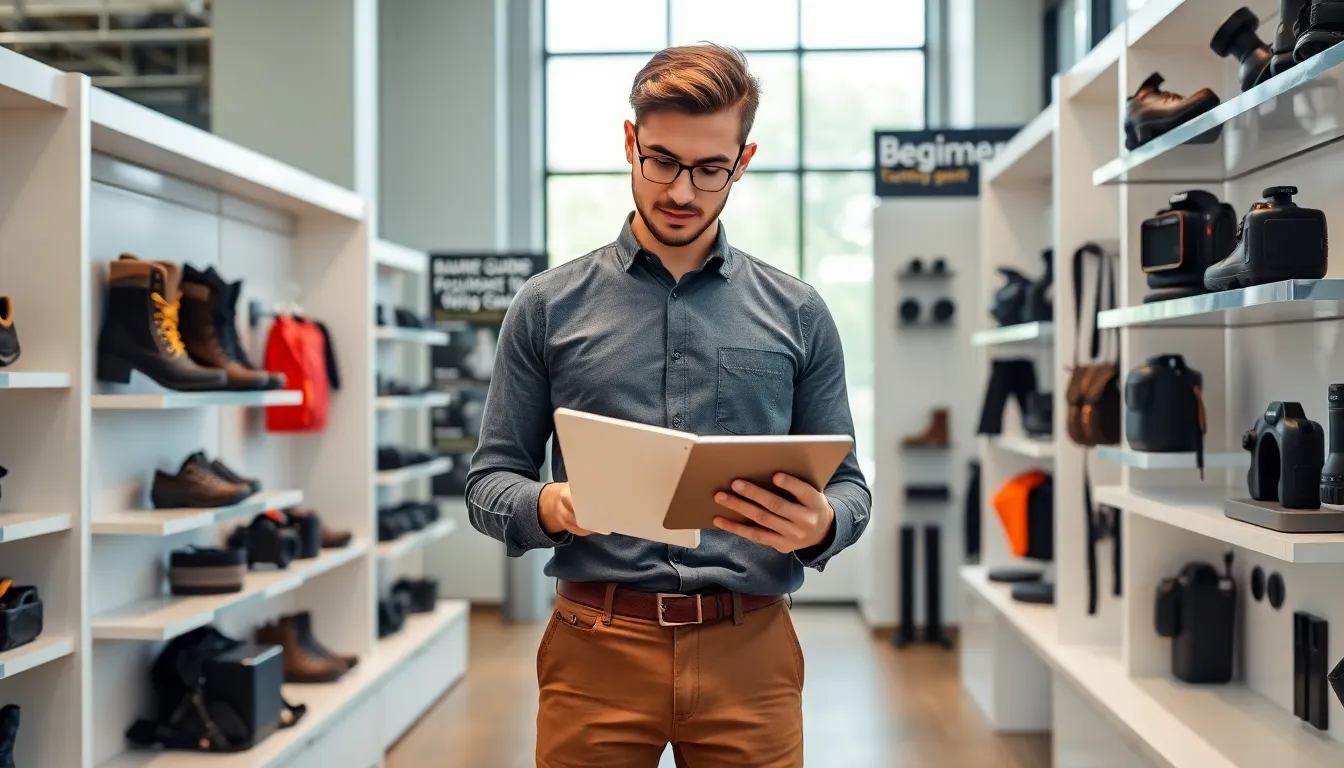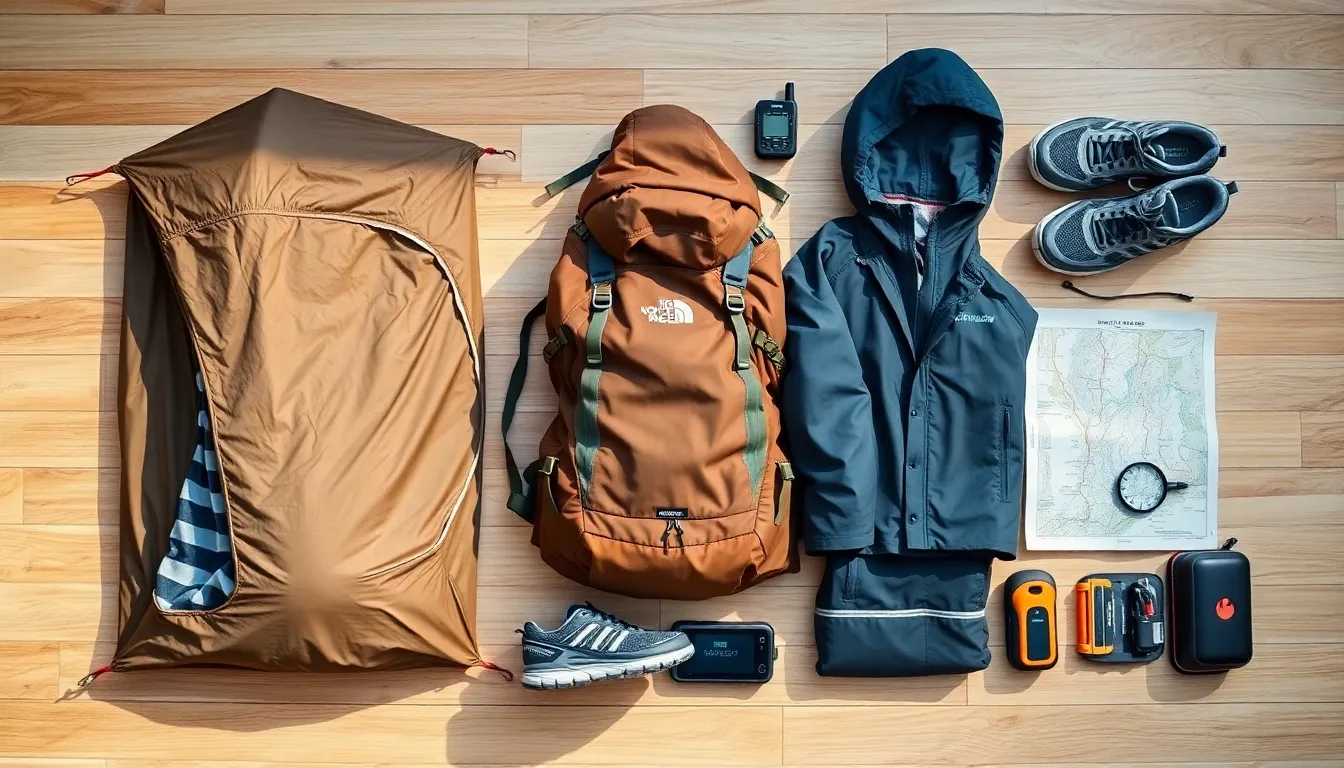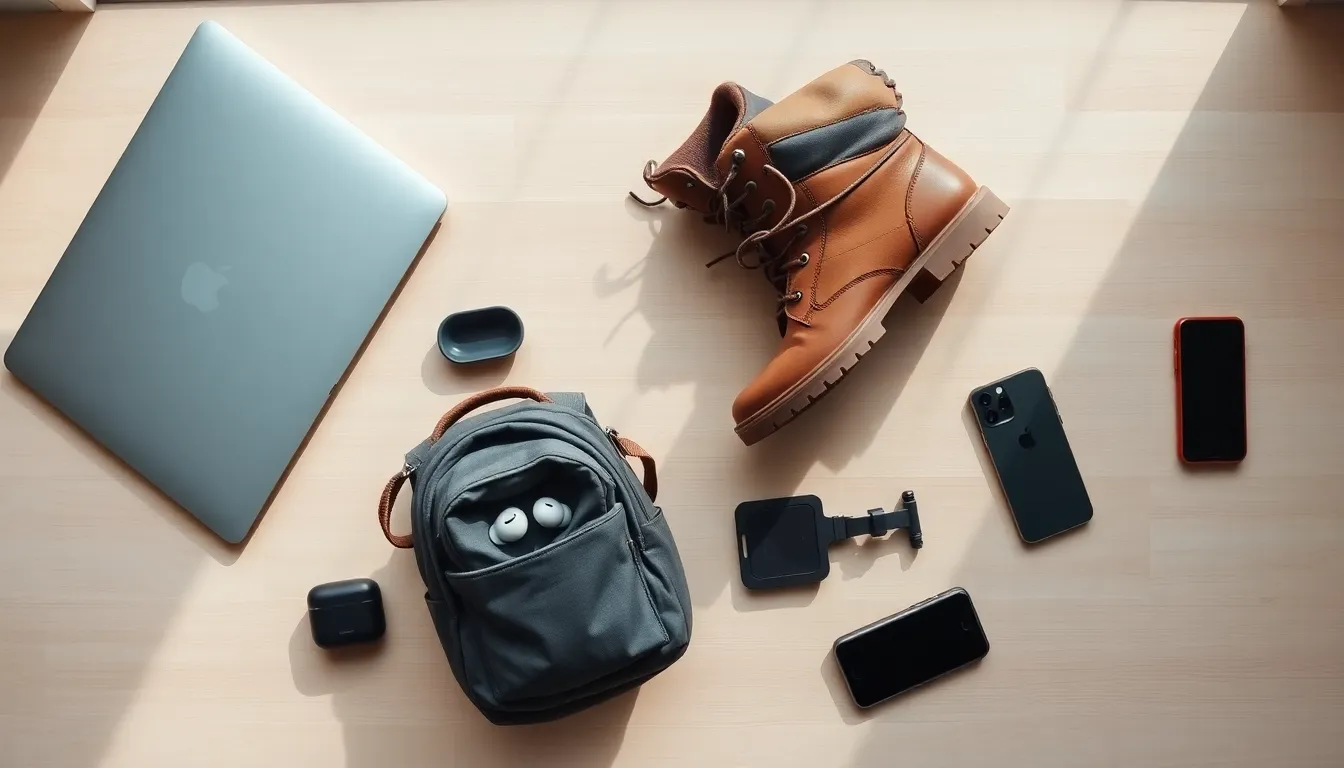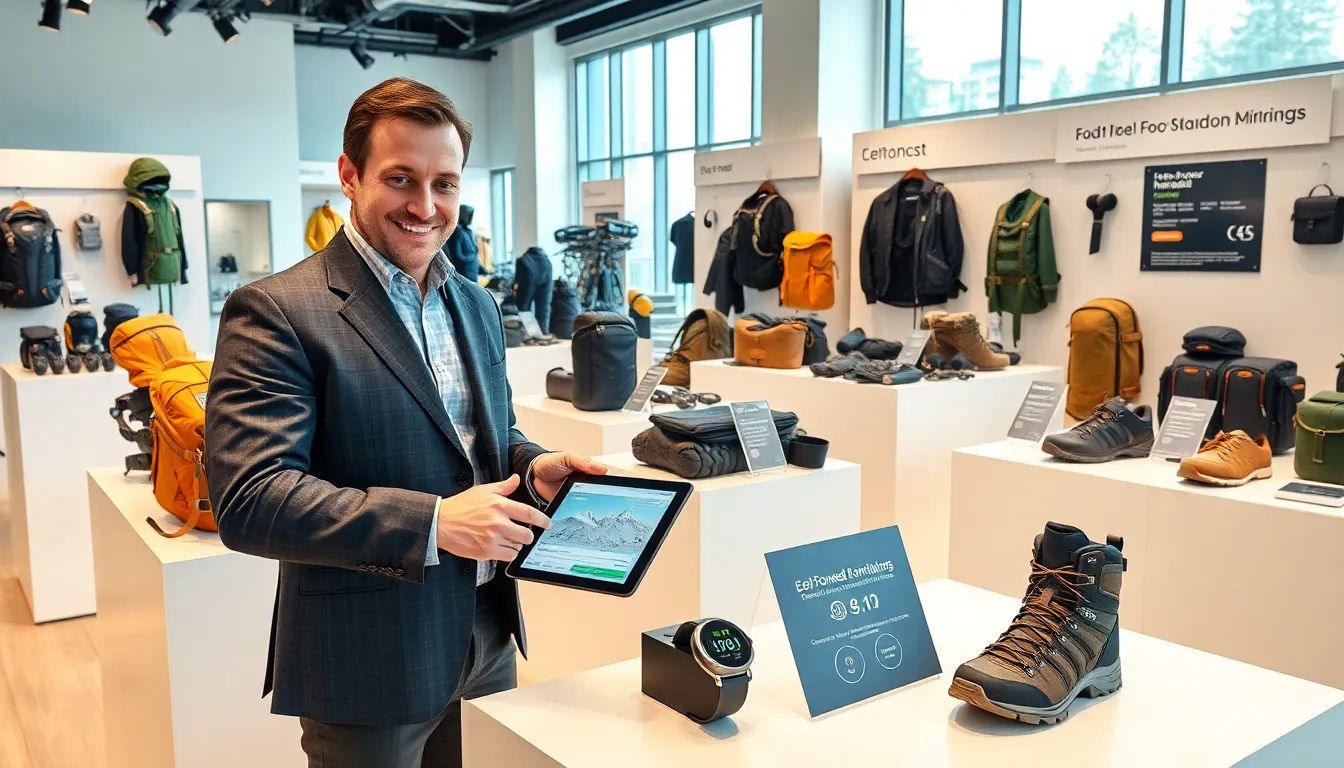
Gear recommendations trends 2026 reflect a major shift in how consumers choose equipment across outdoor, fitness, and tech categories. Smart technology, sustainable materials, and AI-driven personalization now influence purchasing decisions more than ever. This year brings fresh innovations that prioritize connectivity, environmental responsibility, and user-specific customization. Whether someone shops for hiking gear, fitness equipment, or everyday tech accessories, these trends will shape their options. This guide breaks down the most significant gear recommendations trends 2026 has to offer and explains what buyers should watch for in the months ahead.
Table of Contents
ToggleKey Takeaways
- Gear recommendations trends 2026 show smart, connected equipment with GPS tracking, performance sensors, and ecosystem integration has become the new standard for outdoor, fitness, and tech gear.
- Sustainability drives innovation with recycled materials, biodegradable options, repair programs, and carbon-neutral manufacturing becoming major selling points.
- Lightweight gear using carbon fiber, titanium alloys, and advanced polymers now delivers premium performance at more accessible price points.
- Modular designs let consumers customize base units with interchangeable components, reducing the need to own multiple specialized items.
- AI-powered personalization transforms gear shopping through custom sizing, virtual try-ons, and intelligent product recommendations tailored to individual preferences.
- Privacy-conscious buyers can enjoy smart gear features with new offline modes that allow data tracking without constant cloud connectivity.
Smart and Connected Gear Takes Center Stage
Smart gear has moved from novelty to necessity in 2026. Consumers now expect their equipment to sync with smartphones, track performance data, and provide real-time feedback. This shift represents one of the most influential gear recommendations trends 2026 buyers will encounter.
Outdoor enthusiasts can find GPS-enabled backpacks that monitor location and weather conditions. Fitness gear now includes sensors that measure heart rate, calories burned, and workout intensity without requiring separate devices. Even camping equipment has gotten smarter, tents with built-in solar panels charge devices while users sleep.
Connectivity extends beyond individual products. Many brands now offer ecosystem approaches where multiple pieces of gear communicate with each other. A smartwatch might sync with hiking boots to track terrain difficulty, or a helmet could connect with a bike computer to display navigation prompts.
The gear recommendations trends 2026 show that Bluetooth 5.3 and improved battery technology make these connections more reliable than previous years. Users report fewer dropouts and longer usage between charges. Some smart gear now lasts weeks on a single charge rather than days.
Privacy-conscious buyers should note that many smart gear options now include offline modes. These features allow tracking and data collection without constant cloud connectivity. Users maintain control over their information while still benefiting from smart features.
Sustainability Drives Product Innovation
Environmental concerns have reshaped gear manufacturing in 2026. Brands that ignore sustainability risk losing market share to competitors who prioritize eco-friendly practices. This focus on green production stands out among the gear recommendations trends 2026 experts highlight.
Recycled materials now appear in mainstream products rather than specialty lines. Major outdoor brands use recycled polyester, reclaimed ocean plastics, and repurposed rubber in their flagship items. Performance hasn’t suffered, these recycled materials often match or exceed virgin material durability.
Biodegradable options have expanded significantly. Some companies now offer gear that breaks down naturally after its useful life ends. Packaging has also changed. Cardboard and plant-based alternatives have replaced plastic wrapping and foam inserts across many product categories.
Repair programs and modular designs support the sustainability push. Brands encourage customers to fix broken gear rather than replace it entirely. Some offer lifetime repair services, spare parts, and detailed repair guides. This approach reduces waste and builds customer loyalty.
The gear recommendations trends 2026 reveal that carbon-neutral manufacturing has become a selling point. Companies now advertise their emissions reduction efforts and offset programs prominently. Third-party certifications help buyers verify these environmental claims.
Secondhand and rental markets have grown alongside new product sales. Many retailers now sell certified pre-owned gear alongside new inventory. Rental programs let users try expensive equipment before committing to purchase.
Lightweight and Modular Designs Gain Momentum
Weight reduction continues to dominate gear development in 2026. Advanced materials and clever engineering have produced equipment that weighs significantly less than previous generations without sacrificing strength or function.
Carbon fiber, titanium alloys, and advanced polymers appear in everything from tent poles to cooking sets. Ultralight backpacking gear that once cost premium prices has become more accessible. Mid-range options now deliver weights that only elite products achieved a few years ago.
Modular design represents another key element of gear recommendations trends 2026. Rather than buying complete systems, consumers can purchase base units and add components as needed. A backpack might accept different hip belt sizes, lid configurations, or attachment points depending on the activity.
This modular approach offers practical benefits. Users customize gear for specific trips rather than owning multiple specialized items. A weekend hiker and a week-long backpacker might start with the same base pack but configure it differently.
Manufacturers have standardized some attachment systems, allowing cross-brand compatibility. Universal mounting points mean accessories from one company work with products from another. This standardization gives consumers more choices and encourages innovation.
The gear recommendations trends 2026 indicate that packability has improved alongside weight reduction. Equipment folds smaller, compresses more efficiently, and fits into tight spaces. Travelers and commuters benefit from gear that stores easily when not in use.
AI-Powered Personalization in Gear Selection
Artificial intelligence has transformed how consumers discover and select gear in 2026. AI tools analyze user preferences, activity patterns, and physical characteristics to generate specific product suggestions. This technology shapes the gear recommendations trends 2026 shopping experiences.
Online retailers deploy AI chatbots that ask targeted questions about intended use, budget, and experience level. These systems then filter thousands of products down to a handful of relevant options. The process saves time and reduces decision fatigue for buyers.
Some brands use AI to customize products before shipping. Body scanning technology creates gear sized precisely to individual measurements. Custom-fit boots, gloves, and apparel no longer require expensive specialty orders.
AI also powers virtual try-on features. Augmented reality apps show how backpacks, helmets, or clothing will look and fit before purchase. Return rates have dropped for retailers who carry out these tools effectively.
The gear recommendations trends 2026 demonstrate that machine learning improves over time. Systems learn from user feedback and purchase patterns to refine future suggestions. Regular users receive increasingly accurate recommendations as algorithms understand their preferences.
Review aggregation has gotten smarter too. AI tools summarize thousands of customer reviews, highlighting common praise and complaints. Shoppers get quick insights without reading hundreds of individual opinions.