Ever feel like you’re trying to climb a mountain in a vehicle stuck in neutral? Welcome to the world of first gear. It’s the mystical land where power meets control, and understanding it can transform your driving experience. Buckle up as we jump into the nuts and bolts of first gear, and discover why it’s more than just the spot your car starts in. Get ready for a ride filled with insights, laughs, and maybe a few gears of wisdom.
What Is First Gear?
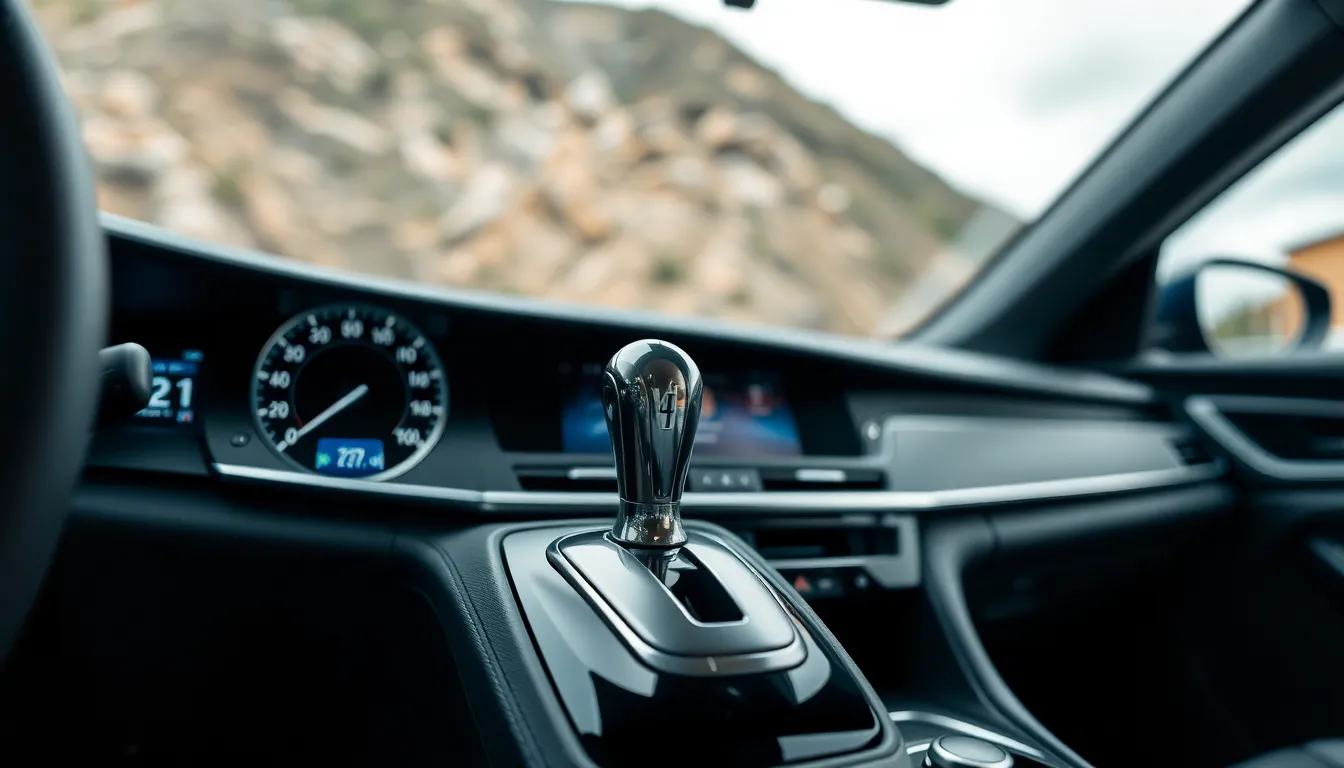
First gear is the initial setting on a manual or automatic transmission that provides the maximum power transfer from the engine to the wheels. This low gear is crucial for starting from a complete stop, especially when navigating steep hills or heavy loads. It offers the highest torque, allowing the vehicle to move forward smoothly without stalling. In essence, first gear is your vehicle saying, “Hold on tight: we’re just getting started.” While cruising along the highway in the higher gears offers speed and fuel efficiency, it’s first gear that ensures you can get rolling without unnecessary strain on the engine.
The Function of First Gear
First gear isn’t just for fun: it has serious business to attend to. Its primary function is to provide the vehicle with the necessary torque to start moving, especially in challenging conditions. Think of first gear as that friend who always has your back when it’s time to tackle a tough job. It multiplies engine power, enabling the car to overcome inertia and start rolling. In this mode, the engine RPMs are high, allowing for greater power output, making it perfect for acceleration from a standstill.
Plus to starting smoothly, first gear is also invaluable when you need to control your speed on declines. It helps prevent the car from rolling backward or losing control, making it a reliable ally during tricky situations.
When to Use First Gear
How often have you seen someone rev their engine unnecessarily, trying to get their car moving? The answer often lies in not using first gear when it’s needed. The best time to engage first gear is during starts from a complete stop, especially when on an incline or carrying a heavy load. It’s not just about roaring off the line: it’s about precision.
Also, when navigating through tight spaces or slow-moving traffic, employing first gear grants better control. It allows drivers to maneuver gradually without the risk of stalling. Remember, first gear is not just a launchpad but a toolkit of control during critical moments.
Benefits of Using First Gear
Using first gear extends far beyond just getting off the line. Here are some of the key benefits:
- Increased Power: First gear amplifies the engine’s torque, ensuring robust acceleration from a stop.
- Better Control: It grants enhanced control at low speeds, especially when reversing or navigating hills.
- Prevent Stalling: Engaging first gear can prevent your vehicle from stalling, especially in challenging conditions.
- Smoother Starts: By providing a smooth acceleration, first gear minimizes wear on your vehicle’s engine and transmission.
Common Mistakes with First Gear
Even seasoned drivers can trip up on the first gear basics. One common mistake is trying to start moving in second gear, sudden jumps in RPM can stall the engine or cause friction. Another pitfall is rushing through shifts: smoothly transitioning into second gear gives your vehicle the breathing room it needs to perform optimally.
How First Gear Affects Fuel Economy
Fuel economy isn’t often the first thing that comes to mind when discussing first gear, but it’s worth mentioning. While engaging first gear consumes more fuel compared to higher gears due to the engine operating at higher RPMs, proper use can enhance efficiency overall. Think about it: by leveraging first gear to gain momentum more effectively at startup, a driver can maintain speeds that reduce the overall need for rapid acceleration later on. Hence, rather than constantly redirecting the engine power in higher gears, skilled drivers can optimize fuel economy and engine efficiency by smartly employing first gear when necessary.
Tips for Mastering First Gear
Mastering first gear doesn’t come from guesswork. Here are a few tips to make it second nature:
- Practice: Familiarize yourself with how your car responds in first gear in various conditions, flat surfaces, inclines, and during turns.
- Listen: Pay attention to the engine sounds: it will signal when it’s time to shift to second gear.
- Smooth Shifting: Avoid jarring movements to keep the transition gentle. This will extend the life of your transmission.
- Anticipate Stops: When approaching stops, downshift to first gear in advance. This allows smoother deceleration and control.
- Don’t Rush: Engage first gear without hesitation when needed. Practice and comfort with your vehicle will help eliminate any anxiousness concerning the transition.